Click on the blue letters
★
?DK?
★
Follow us
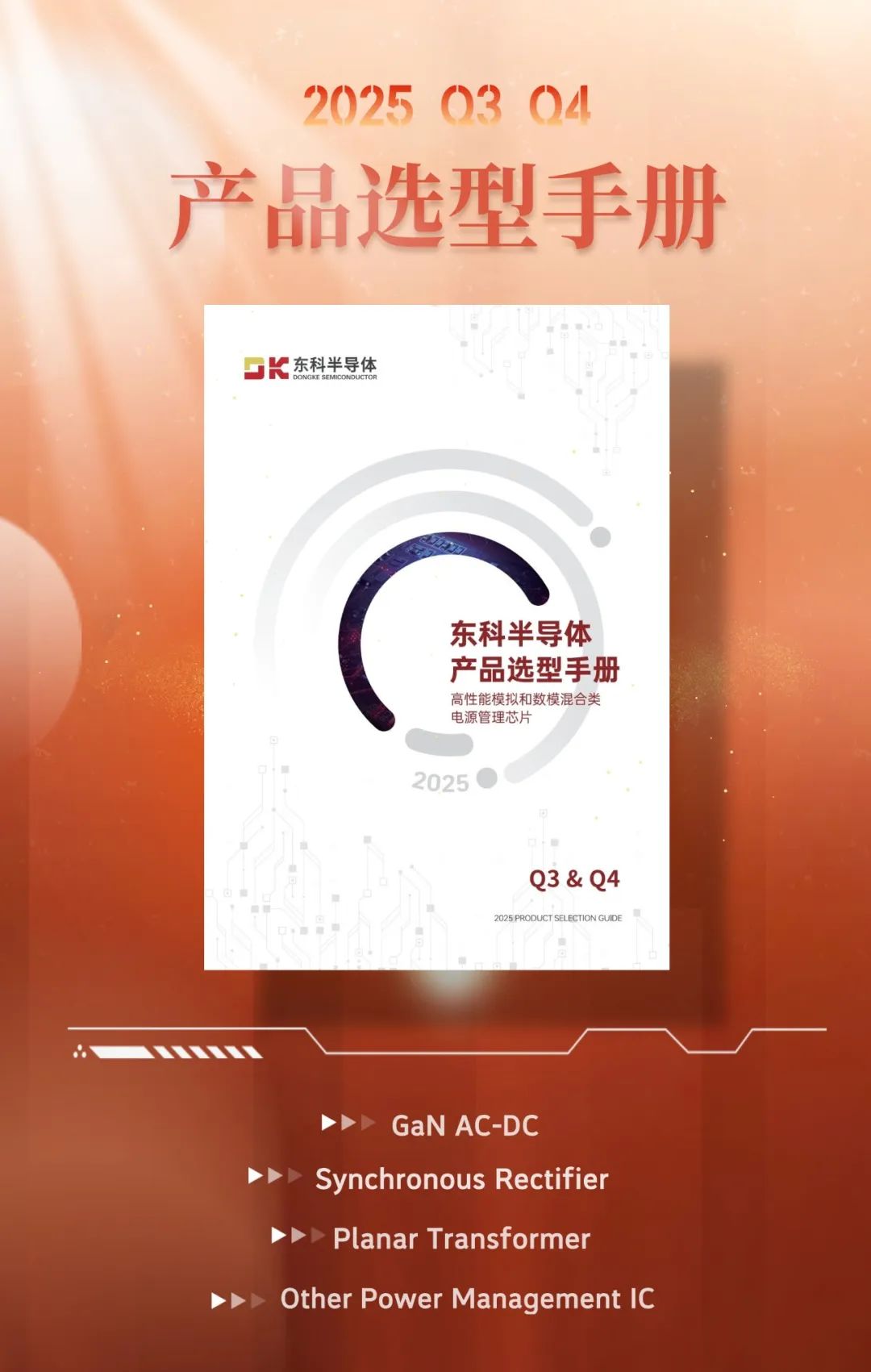
Eastco Semiconductor 2025 Q3Q4 Product Selection BrochureNewly launched, this update contains EastcoNew Generation of GaN Power Tube Devices with Built-in Driver - DKXXXG70 Series, Planar Transformer Series, New GaN PFC Master, Synchronous Rectification Model Updateetc., are welcome to obtain access.
Content overview
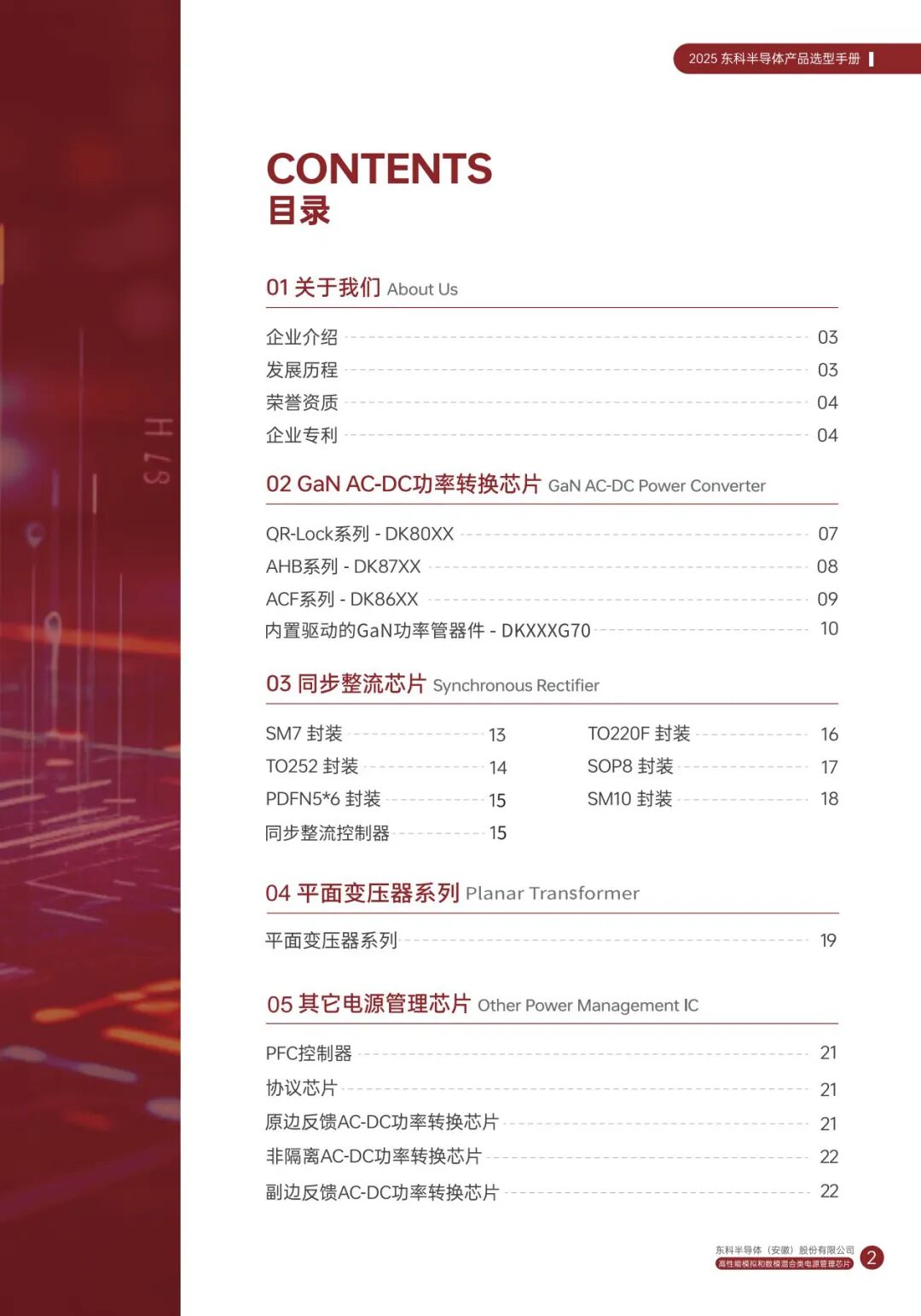
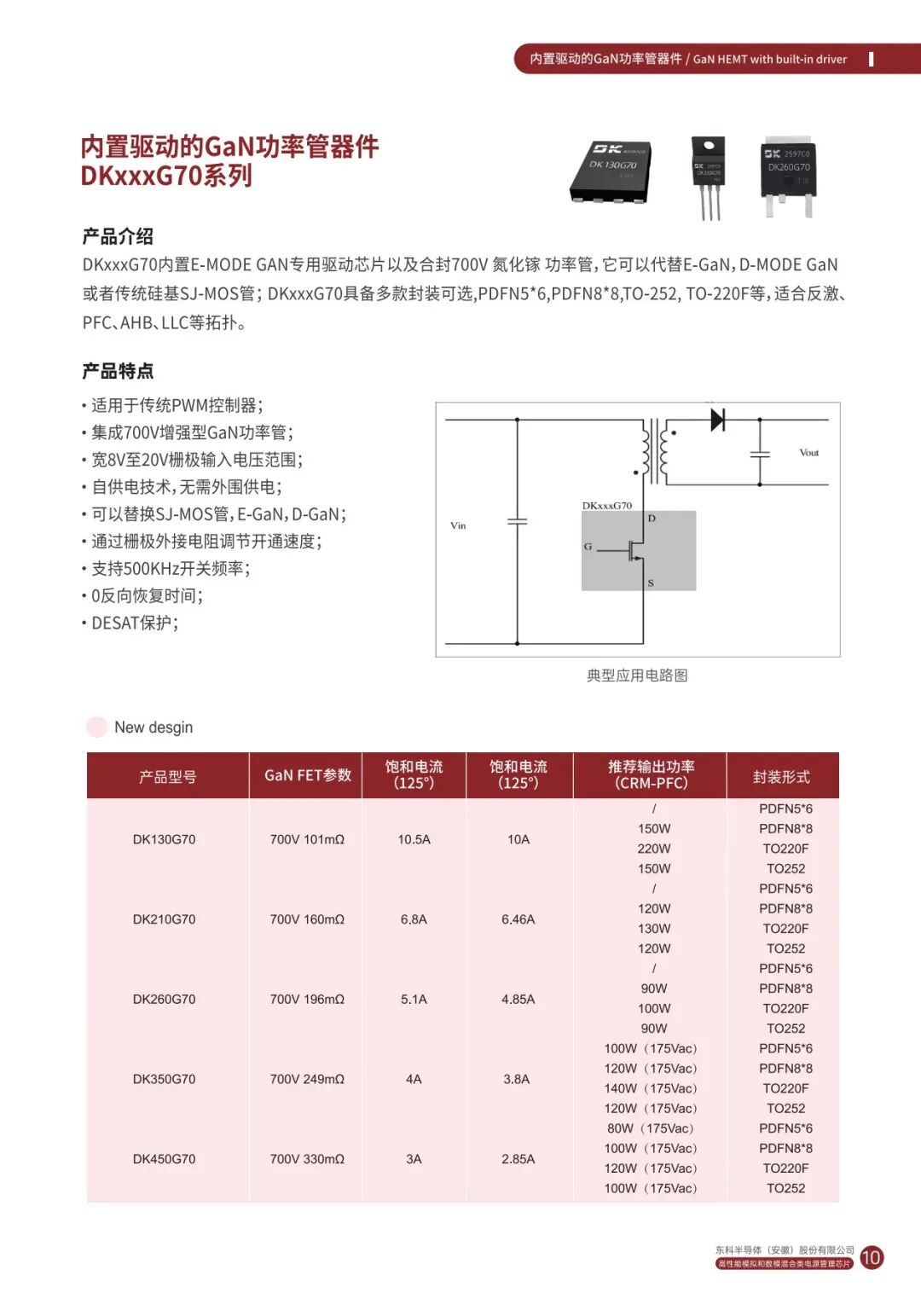
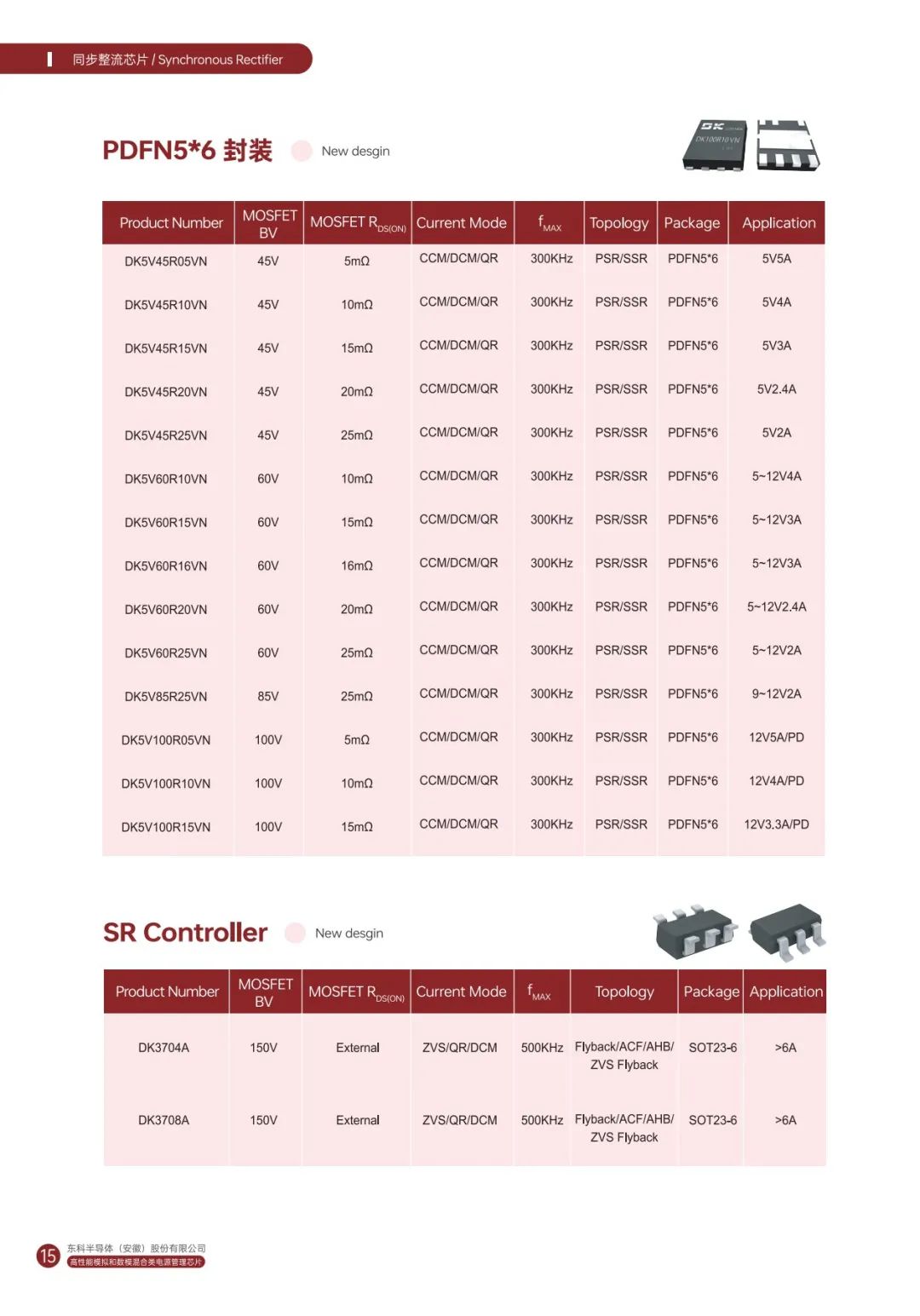
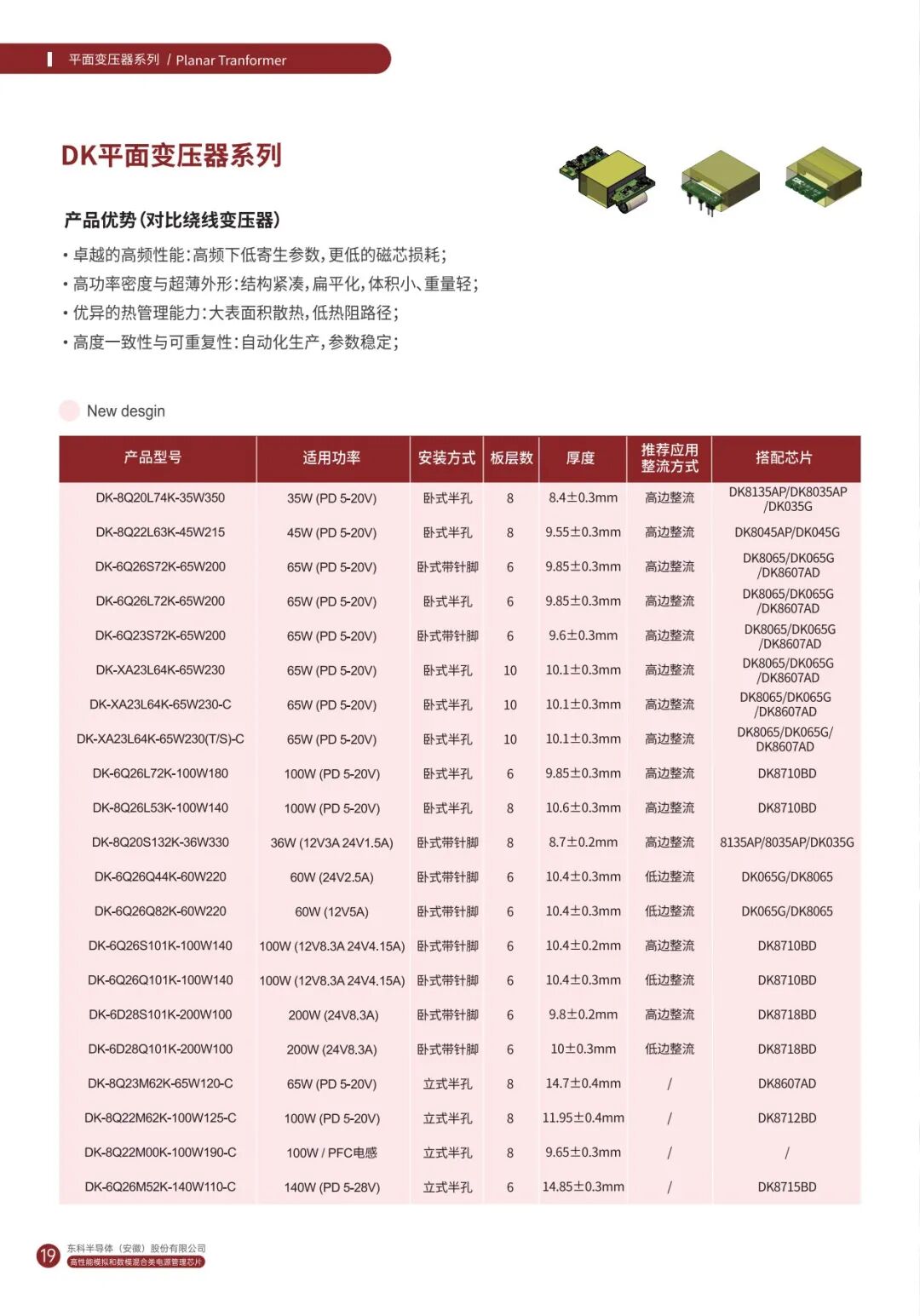
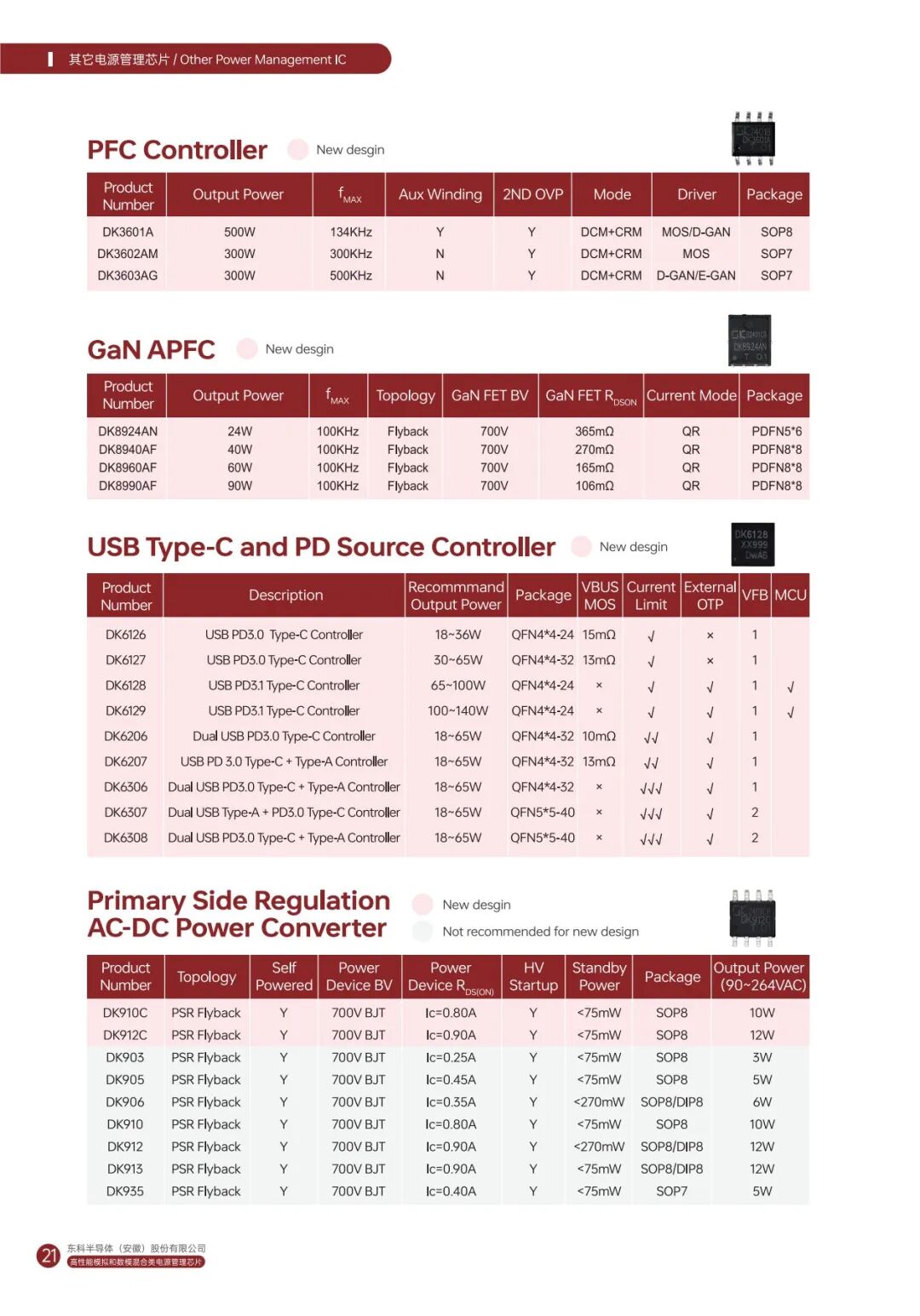
See below for a download/online preview of the full version of the selection brochure in Ultra-HD!
How to get the manual
Way 1: Long press and scan the QR code below to preview online

Way 2: Public online preview

Click on "Product Selection" under "About Us" in the bottom menu of the navigation bar of WeChat public number to preview online.
Way three: background reply keywords
After following the public number "Dongke Semiconductor", reply to the dialog interface with the keyword ""。Selection book" to view the selection manual online.
??
About Dongke
??
Dongke Semiconductor (Anhui) Co., Ltd. is one of the few domestic integrated circuit technology innovation enterprises integrating R&D, design, production and sales, and is a state-level specialization, specialization and new small giant enterprise, and was awarded the top 50 specialization, specialization and new enterprises in Anhui Province in 2022. The company has set up five R&D centers and one testing base in Qingdao, Wuxi, Beijing, Shenzhen and Maanshan. The company adopts the "Fabless+Sequestration" business model, which is rare in the market, and possesses independent chip design capability as well as independent sequestration capability. The main direction of our products is high-performance analog and digital-analog hybrid power management chips, third-generation compound semiconductor power management chips and other analog chips.
??
Enterprise Honor
??
National High-tech Enterprise (Anhui Provincial Science and Technology Department)
National Specialized, Specialized and New Small Giant Enterprises (Ministry of Industry and Information Technology of the People's Republic of China)
National Intellectual Property Advantageous Enterprises (State Intellectual Property Office)
Anhui high-level scientific and technological talent team (Anhui Provincial Department of Science and Technology)
Specialized and Specialized New Enterprises in Anhui Province (Department of Economics and Information Technology of Anhui Province)
Top 50 Specialized, Specialized and New Enterprises in Anhui Province (People's Government of Anhui Province)
Anhui 115 Industry Innovation Team (Anhui Provincial Party Committee Organization Department)
Cultivation of single champion enterprises in Anhui Province (Department of Economics and Information Technology of Anhui Province)
Anhui Digitalized Workshop (Anhui Provincial Department of Economics and Information Technology)
Anhui Trademark Brand Demonstration Enterprise
(Anhui Trademark and Brand Promotion Committee)

Click on DK to follow us
? In this article, we'll introduce you to a series of articles based onDK8924ANIt is a 24W LED solution with high constant voltage precision, low standby power consumption and fast startup, which is suitable for LED strip power supply, intelligent lighting and other application scenarios.
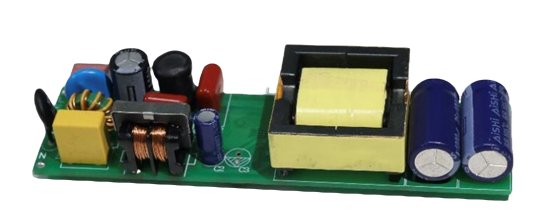
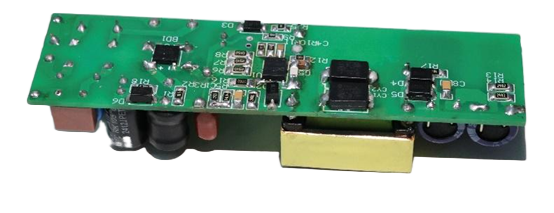
Dongke 24W LED Solution Sample Version
??
Program overview
??
This program uses theDK8924ANThe isolated LED driver for low THD, high PF primary control quasi-resonant, constant voltage output, integrated GAN chip, built-in high-voltage start-up circuit to achieve fast start-up, THD compensation circuit to meet the high PF and low THD and get high efficiency. With perfect protection mechanism to ensure the safety of use.
??
Program features
??
 ?quasi-resonant mode (electronics)Work efficiently
Single-stage active power factor correction
Full voltage power factor>0.9?
Built-in fast soft start, system start-up time
Output constant voltage accuracy within ±3%
integrated (as in integrated circuit)?650V?High-voltage start-up and power supply
Integrated fast dynamic response to suppress dynamic output voltage ripple
Low start-up and operating current, standby power consumption
??
application scenario
??
East Tech Semiconductor's 24W LED solutions are suitable for a variety of scenarios, including but not limited to:
LED strip
External Power Supply
Intelligent lighting, landscape lighting, etc.
??
Partial test data
??
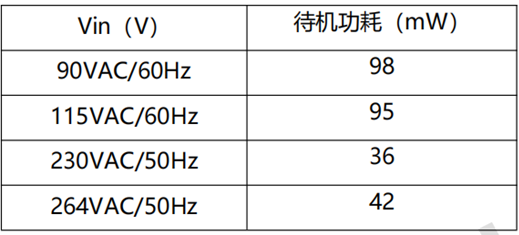
Standby power consumption:
Output no-load condition test input power
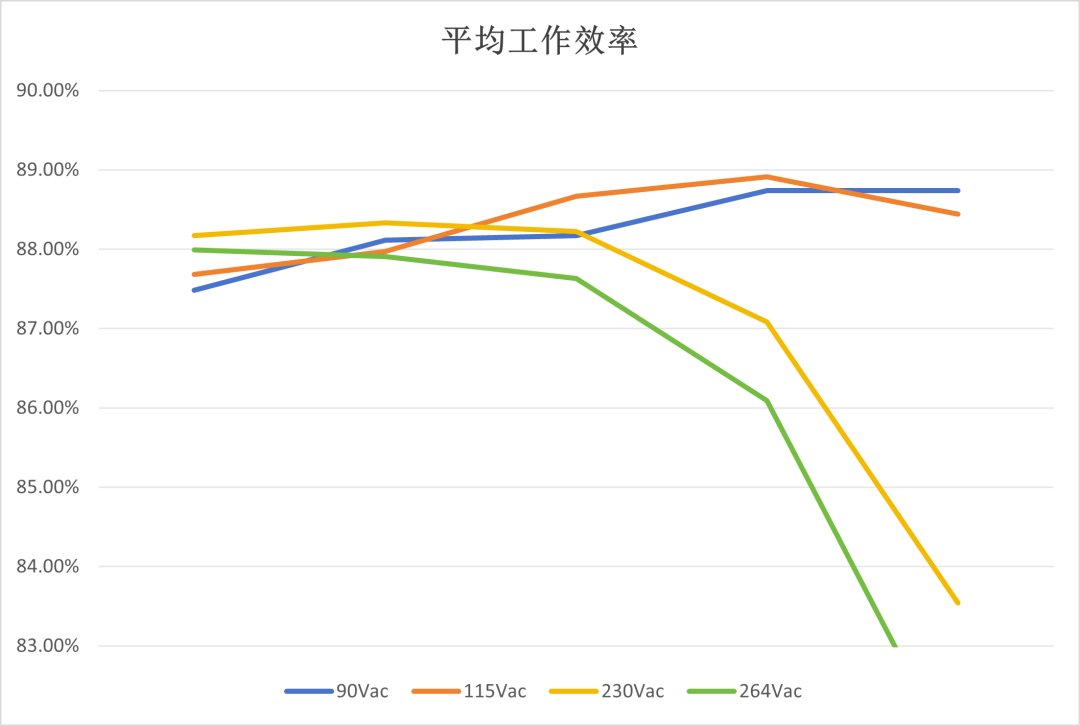
Average efficiency:
peak88.91%
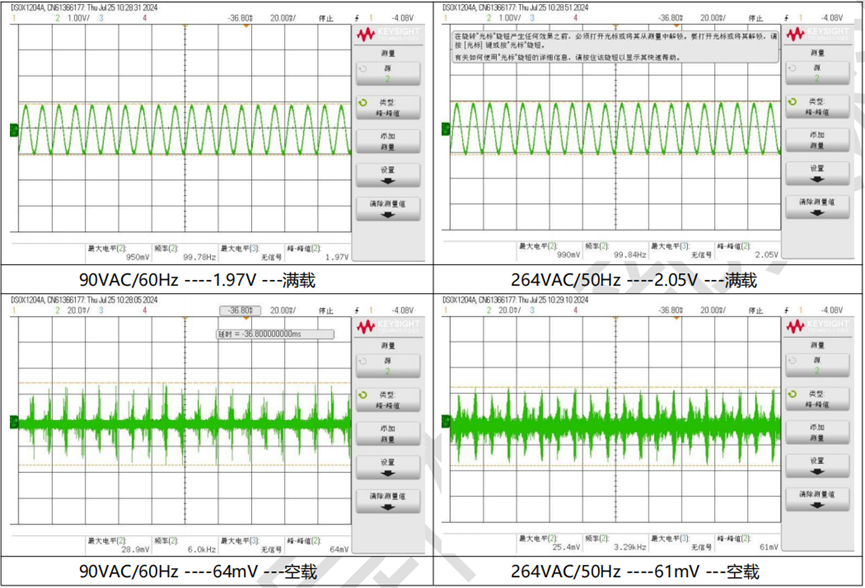
Output voltage ripple:
Input Voltage 90Vac, 264Vac
Load as no load and full load
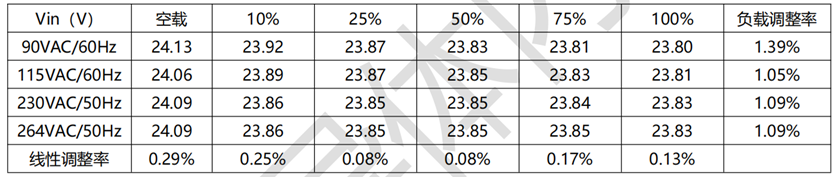
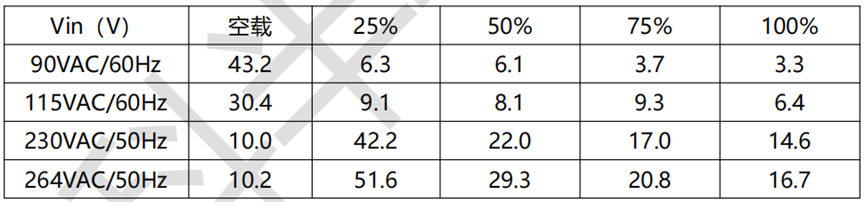
Voltage Adjustment Rate:
Test conditions: No load, 25%, 50%, 75%, 100% output voltage values are tested when the input voltage is 90Vac, 115Vac, 230Vac, 264Vac respectively.
Harmonic Distortion (THD):
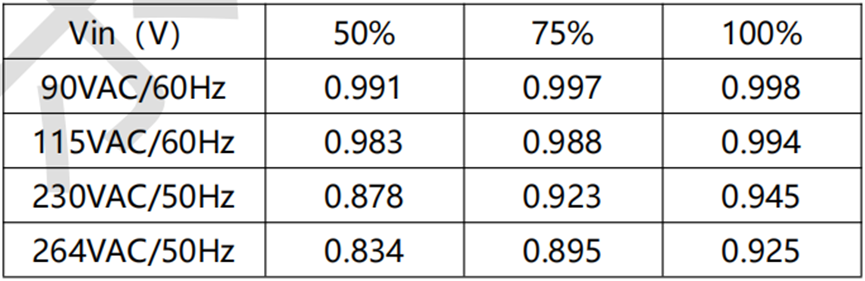
PF value:
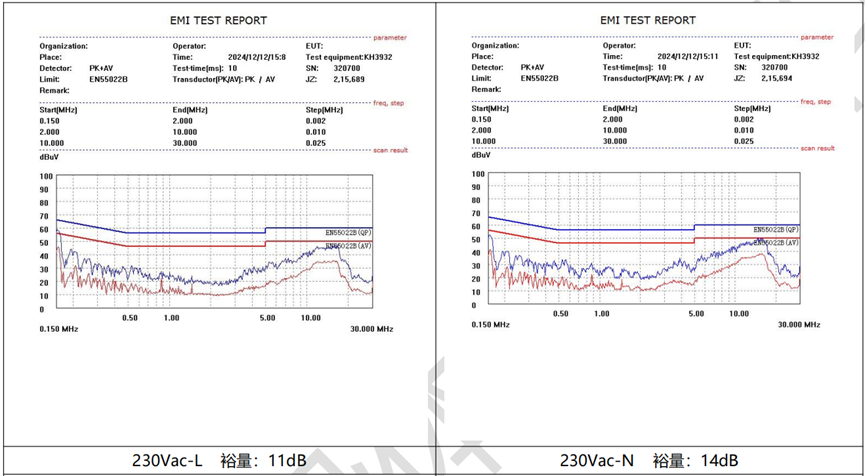
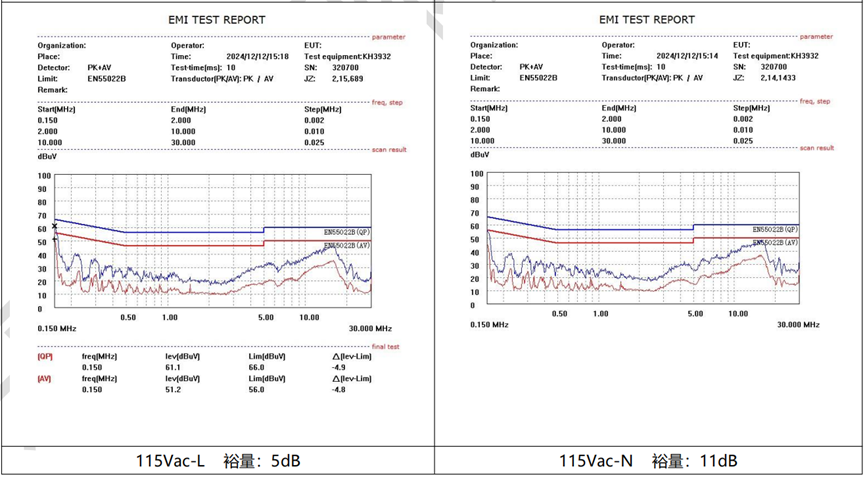
EMC conduction testing:
EMC radiation testing:
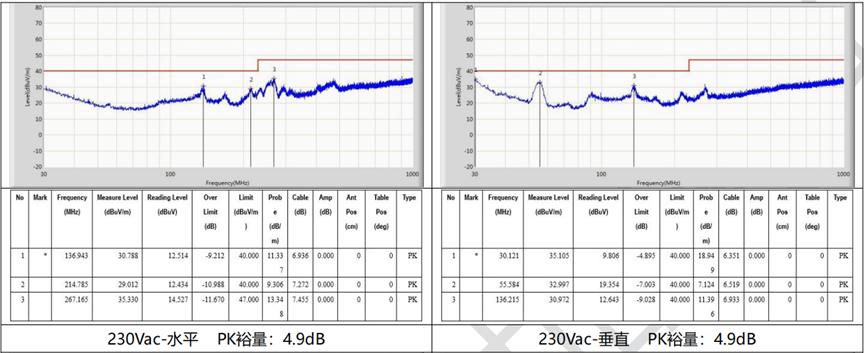
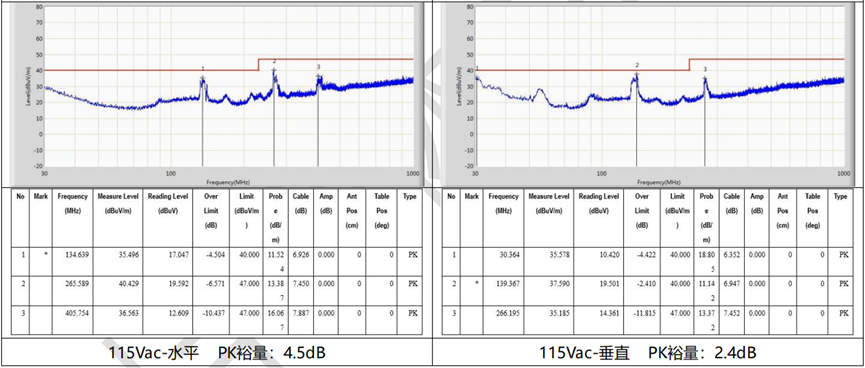
? If you are interested in the above 24W LED solutions, please feel free to contact our sales team and we willProvide a full set of design and test dataThis makes it easy for you to quickly develop products and bring them to market.
? Thank you for your interest in TECO Semiconductor and we look forward to working with you in the future!
Past Review
Solutions | East Tech 140W High Performance Minimalist AHB Solution Details
Dongke Launches Various Newly Upgraded AHB Controllers - DK87XXBD Series

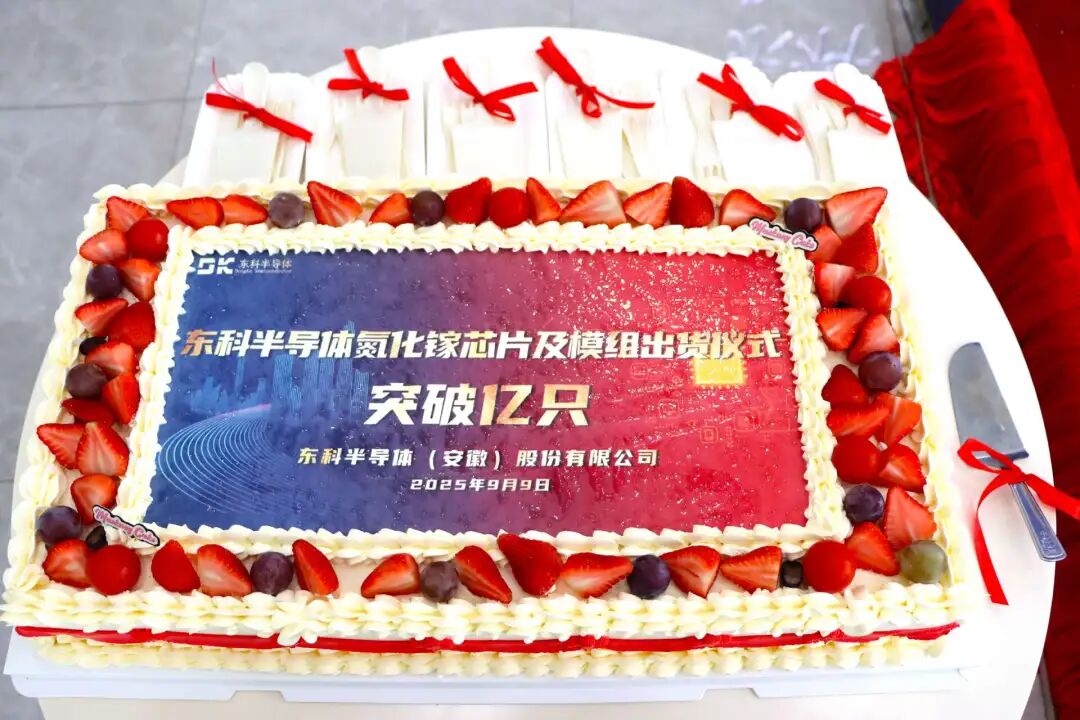
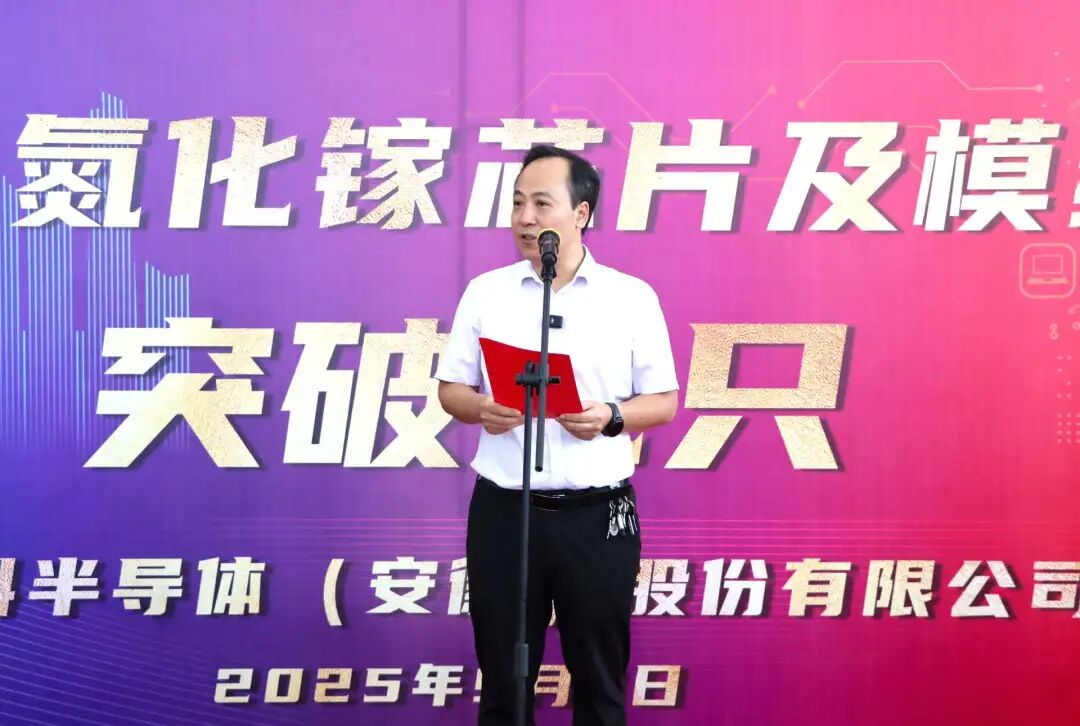
? ? ? ? ? ? ?On September 9, 2025, East Tech Semiconductor shipped its 100 million independently designed and sealed Gallium Nitride power supply chips!
?
? ? ? ? ? ?  100 million pcs! It is not only the accumulation of quantity, but also the market's high recognition of the performance, quality and reliability of Dongke's GaN chips!
? ? ? ? ? ? Independent design! Mastering the core technology demonstrates the hard power and independent innovation ability of Dongke Core in the field of third-generation semiconductors!
In the rapidly developing wave of third-generation semiconductors, Dongke Semiconductor has achieved a leapfrog improvement in its market position by virtue of its deep cultivation and innovation in the field of Gallium Nitride (GaN) technology. The company's annual shipments continue to rank at the forefront of the industry, with a rapidly expanding market share, and has become a force to be reckoned with in the global power management market.
With its forward-looking technological vision, East Tech SemiconductorTook the lead in the industry to launch and mass produce fully encapsulated GaN power management chips. Focused on high-frequency and high-efficiency GaN chip design and development.The GaN power devices, control and drive circuits, and intelligent protection functions are efficiently integrated into a single chip.Completely changed the traditional multi-device discrete complex design, significantly reduce peripheral components 60% or more, significantly improve the power density and conversion efficiency of the power supply, reduce the system cost and design complexity, for the end-customer to bring a smaller volume, higher efficiency, simpler designof a superior experience.
At present, Dongke has successfully built up a product matrix with wide coverage and perfect echelon, with more than30 product series, more than 100 models of productsThe product types include AHB, QR, ACF, LLC and other multi-technology product routes, with power coverage from 12 W to 300 W. The products have gained the recognition of many downstream headline customers, and are at the forefront of the production outbreak.
East Tech Semiconductor and the upstream industry head enterprises to reach industrial cooperation, to build the chip from the design, research and development, manufacturing, packaging and testing, sales as one of the ecological chain, for the development of the third-generation semiconductor industry injected mammoth kinetic energy for the world's chip power supply!
It can be widely used in fast charging adapters, data center power supply, industrial energy and new energy, etc. It can fully adapt to diversified application scenarios from consumer fast charging to industrial power supply, providing high-performance and high-reliability gallium nitride chips for global customers, and helping terminal equipment to develop towards miniaturization and high efficiency.
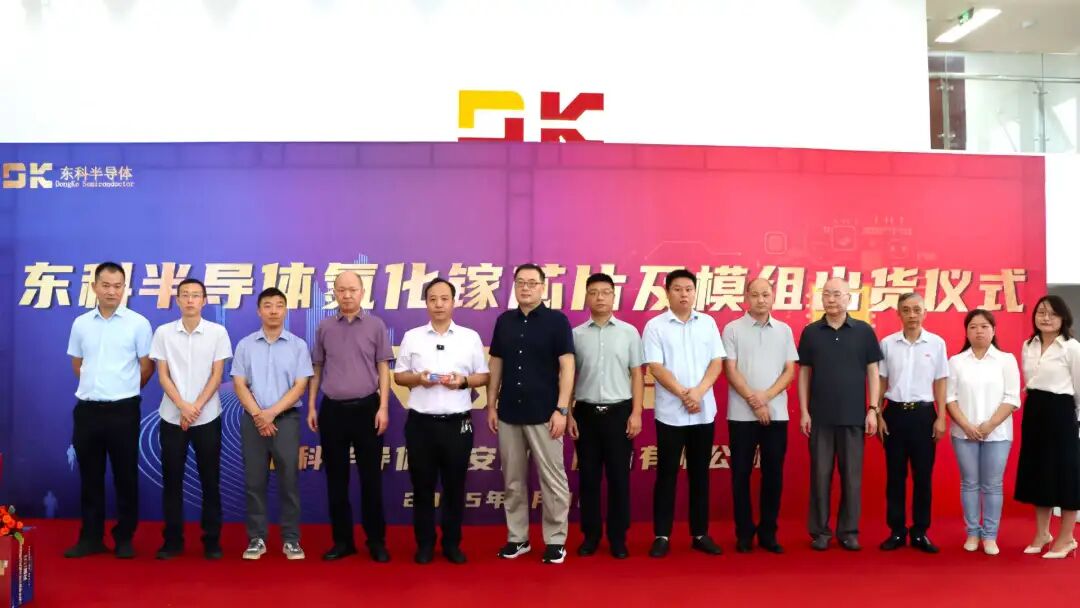
From 0 to 100,000,000! It is the recognition of Dongke Core's quality and the market verification of Dongke Core's reliability. This "100 million cores" is the witness of past glory, but also the starting point of the future "10 billion cores" journey! In the future, East Tech Semiconductor will continue to dedicate itself to the iteration and innovation of GaN technology, promote the development of green energy solutions, and empower the intelligent world.
Show Preview
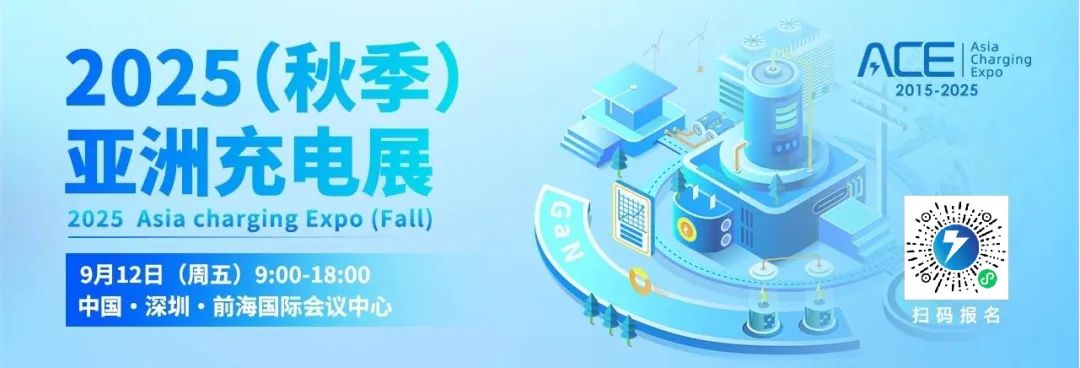
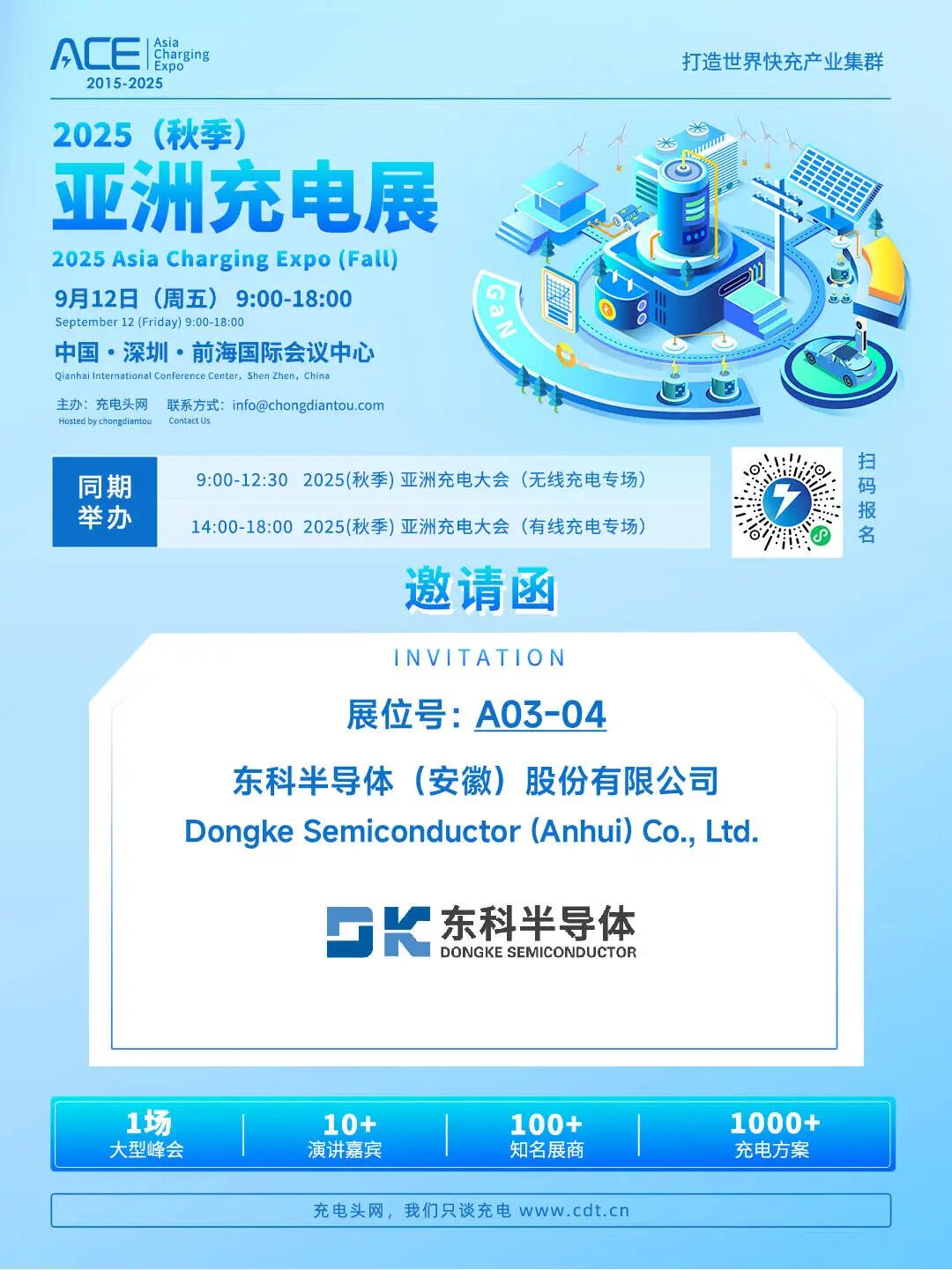
Dongke Semiconductor (Anhui) Co., Ltd. is participating in the 2025 (Fall) Asia Charge Show hosted by ChargeHead.com, booth number is located in Zone A, A03, A04, September 12, welcome to visit the exhibition site to communicate and negotiate.
Related reading:
2,Learn about East Tech's past dismantling cases in one article
3,East Tech DK036G Hap Seal Gallium Nitride Application Cases for Charger Miniaturization
4,Teco Launches 200W AI PC One-Stop Gallium Nitride Power Solution with Zero Noise and High Efficiency

Click on DK to follow us
? Asymmetric half-bridge AC-DC power management chip from Teco as aThe industry's only fully encapsulated single-chip AHB solution, with far fewer peripherals than competing solutions, low debugging difficulty, and overall costs far lower than competing solutions.
? In this article, we will present a paper based on theA 140W PD solution centered on the Dongke AHB chipIt features a minimalist periphery, high power density, and diverse output configurations, making it suitable for a wide range of application scenarios, such as laptop and tablet adapters, two-wheeled electric vehicle chargers, LED power supplies, and more.
?
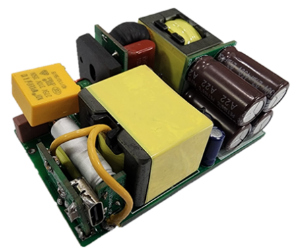
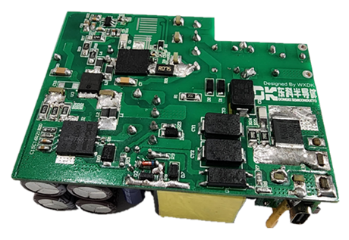
Dongke 140W AHB PD Program Sample Version
?
??
Program overview
??
Eastco Semiconductor's 140W AHB PD solution utilizes thedk8715bd+dk5v100r05vmSleeve material, using Dongke asymmetric half-bridge AC-DC power switching chip. The solution supports a variety of output voltage and current configurations to meet the needs of different devices, and has a comprehensive protection mechanism to ensure safe use.
?
??
Program features
??
High efficiency -End-of-board efficiency up to 95.4%
High power density: Bare metal power density of 1.82W/cm3.
PCBA size: 66*51*24mm
Upper tube adaptive shutdown, lower tube adaptive deadband, no peripheral adjustment required;
Full load segment ZVS;
Adaptive four load segment modes, effectively improving the efficiency of each load segment;
Adaptive dead time adjustment algorithm;
Built-in high voltage start and X-capacitor discharge circuits;
CS negative pressure sampling for enhanced drive stability;
Built-in full-range dither circuitry improves EMI performance;
in the marketplaceThe simplest asymmetric half-bridge solution.
?
Versatile Output Configurations.
? ? ?The program supports5v3a,9v3a,12v3a,15v3a,20v5a, 28v5aThe output configuration is able to meet the needs of most electronic devices. Its high power density design results in a bare metal power density of 1.82W/cm3, further enhancing the product's compactness and efficiency.
?
Major Chip:
AC-DC: DK8715BD
Synchronous rectifier: DK5V100R05VM
?
DK8715BD Product Description
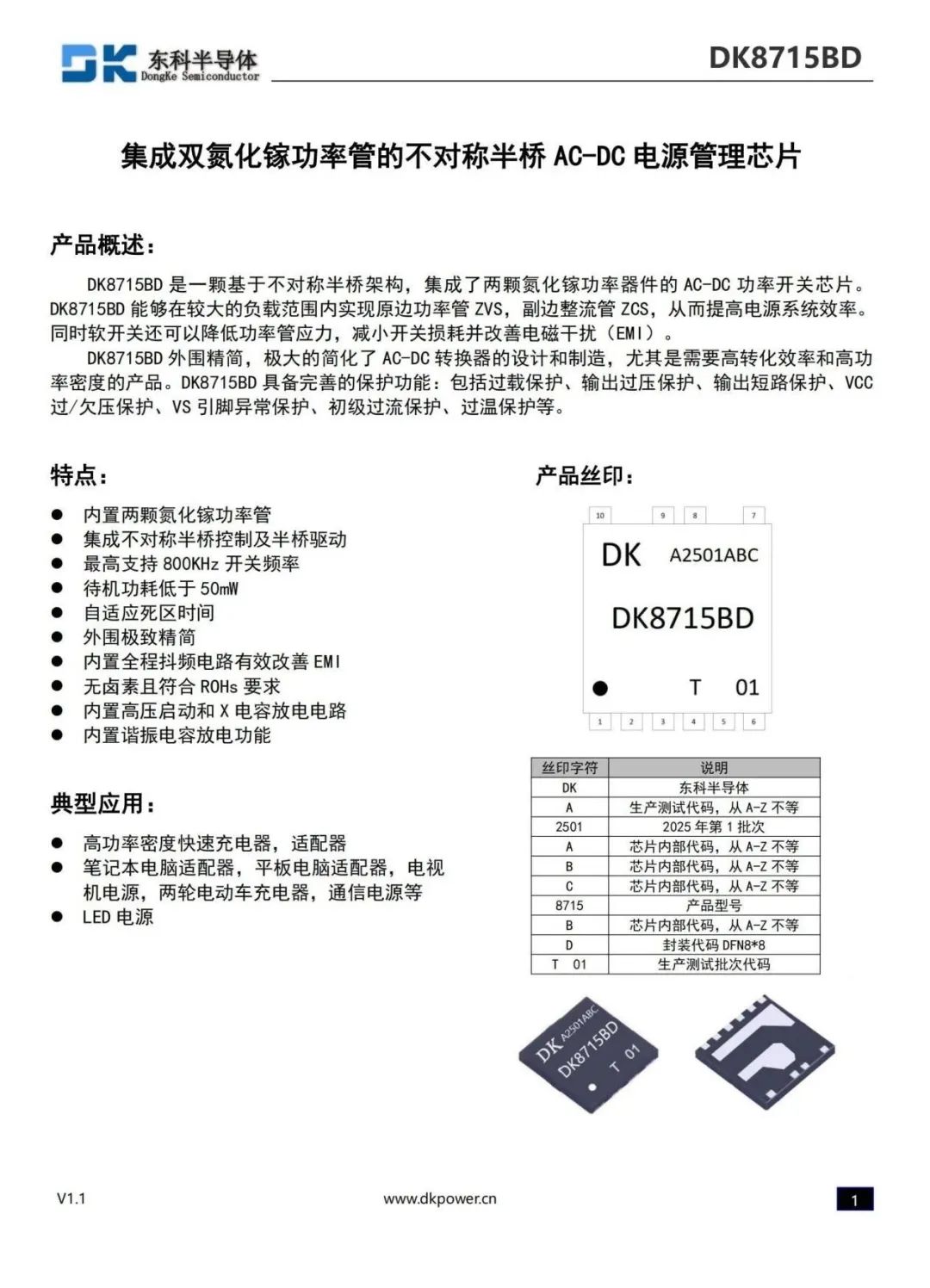
?
DK5V100R05VM Product Description
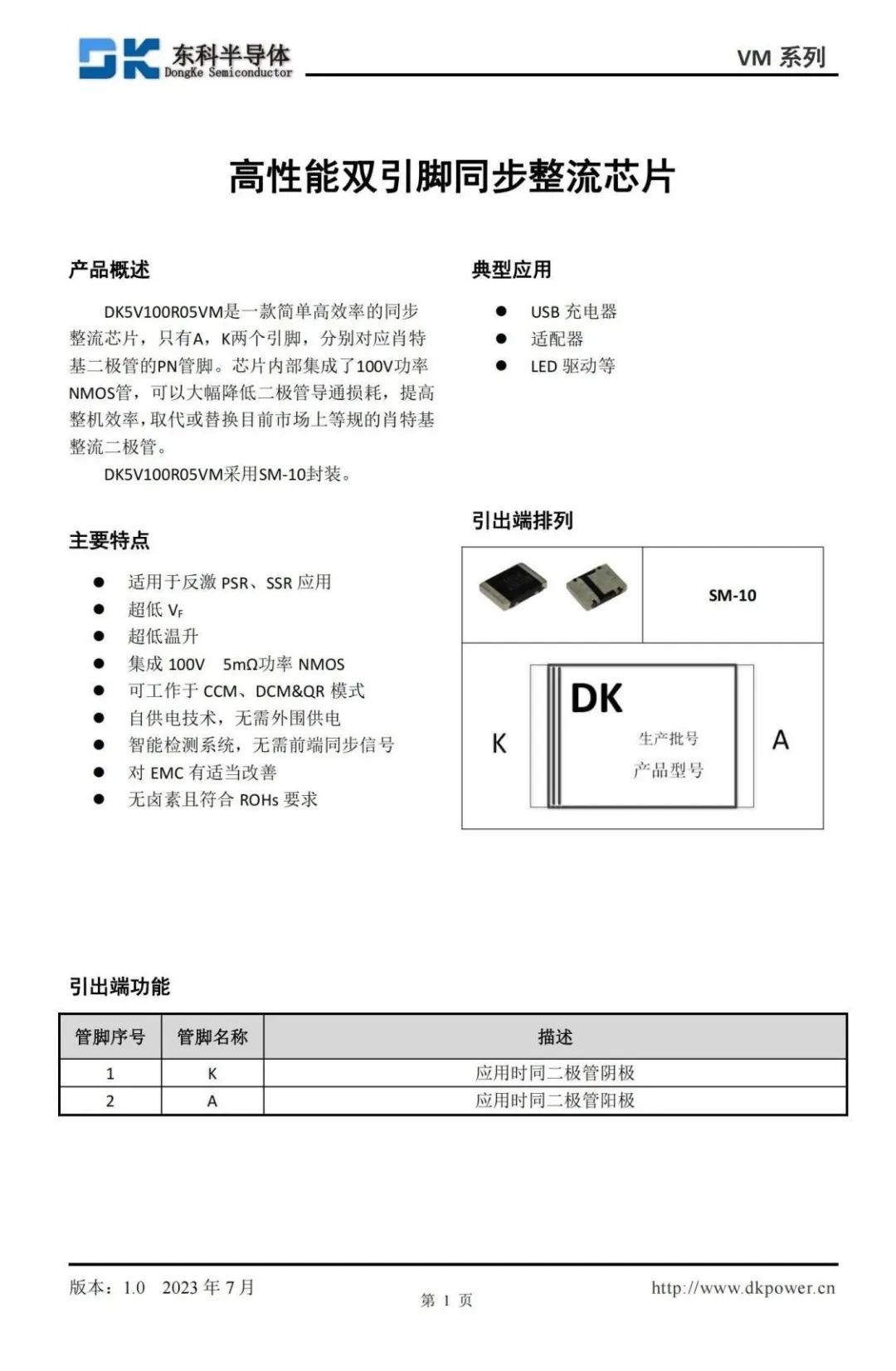
?
??
application scenario
??
East Tech Semiconductor's 140W AHB solution is suitable for a variety of scenarios, including but not limited to:
Laptop and tablet adapters;
TV power supply, LED power supply, communication power supply;
Two-wheeled electric vehicle chargers, etc.
?
??
Partial test data
??
Average efficiency:
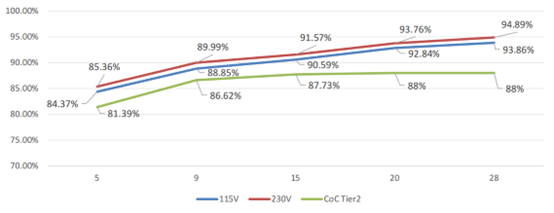
?
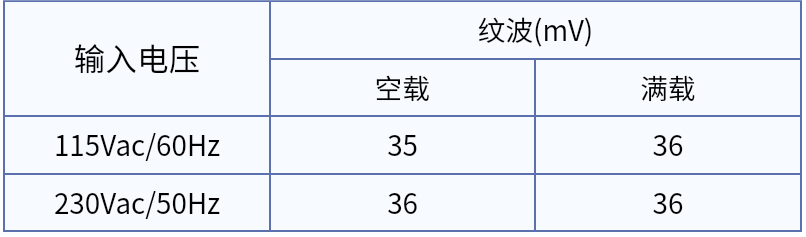
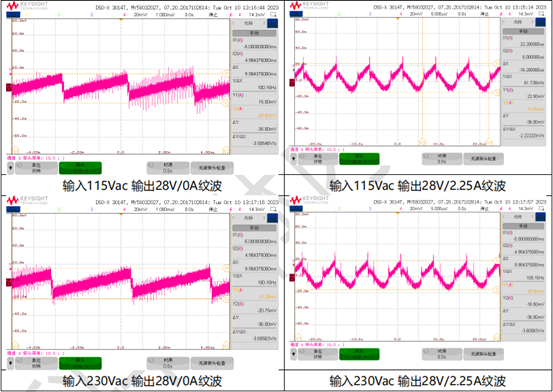
Output voltage ripple:
Output 28V/5A
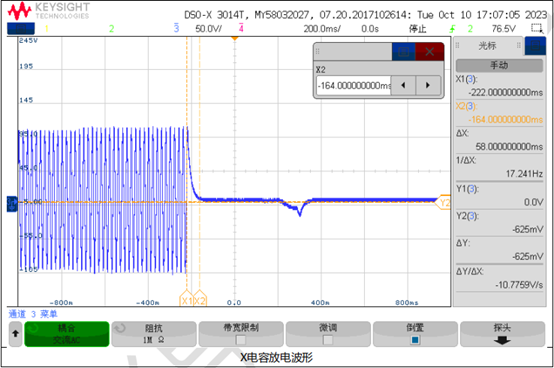
X capacitor discharge waveform:
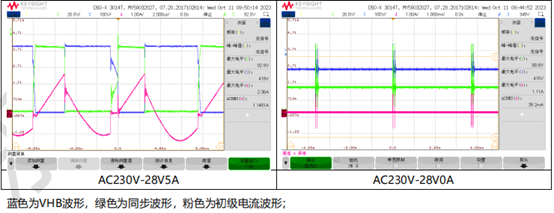
AHB operating waveform:
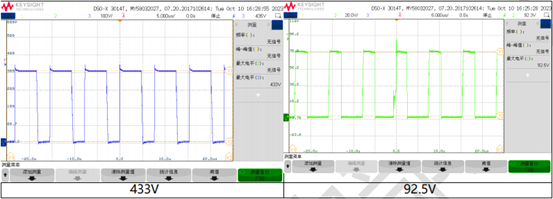
MOS tube stress and SR rectifier withstand voltage
Test conditions: input 264Vac, output 28V5A, switching tube VDS voltage and SR rectifier voltage
?
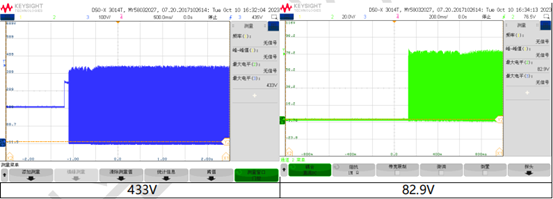
Primary Power Tube and SR Rectifier Voltages During Power-Up Transients
Test Conditions: Input 264Vac, Output 20V2.25A, Switching Tube VDS Voltage and SR Rectifier Voltage
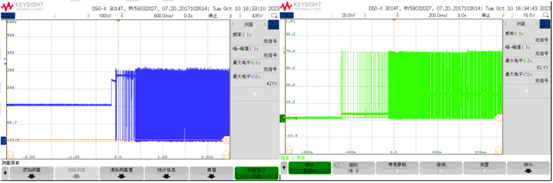
Test conditions: Input 264Vac, Output 20V0A , Switching Tube VDS Voltage and SR Rectifier Voltage
?
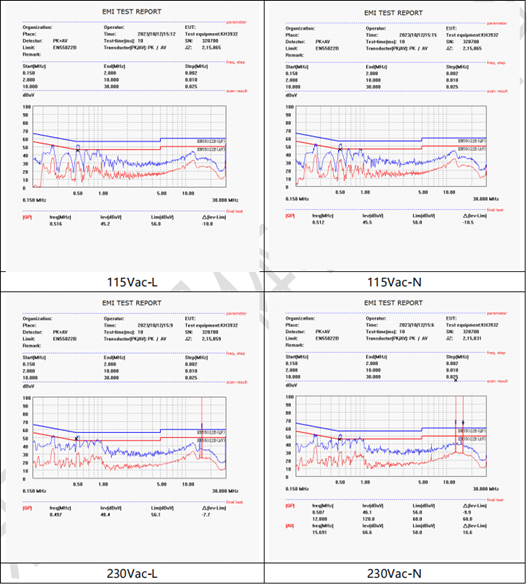
EMC Conductivity Testing
?
EMC Radiation Testing
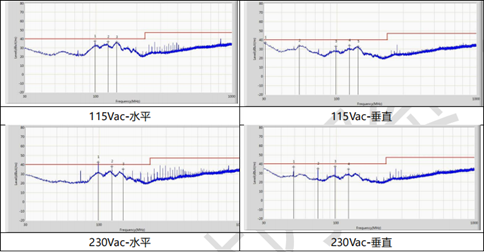
?
? ? If you are interested in the above AHB 140W PD program, please feel free to contact our sales team and we willProvide a full set of design and test dataThis makes it easy for you to quickly develop products and bring them to market.
? ? Thank you for your interest in TECO Semiconductor and we look forward to working with you in the future!
?
Past Review
Solutions | Dongke 45W PD Fast Charging Minimalist Solution
Dongke Launches Various Newly Upgraded AHB Controllers - DK87XXBD Series
Click on DK to follow us
From December 20th to 31st, East Tech Semiconductor held the fourth quarter 2024 new product training meeting and technical exchange meeting in South China and East China branches successively. Agents and industry partners from South and East China gathered together to discuss technology and exchange products. In this exchange meeting, East Tech Semiconductor showed its latest achievements in the field of Gallium Nitride fast chargers and controllers, includingNewly upgraded AHB chips - DK87XX series B/P version controllers, new PFC master controller, PSR high PF GaN series DK89XX chips and new synchronization controllers.At the same time, the East Tech ae, fae team also introduced the application guidelines and precautions for the new products in detail.
During the meeting, Dongke's technical team and online and offline industry partners had positive exchanges and communication, and the participating partners showed full affirmation and expectation for Dongke's products. This not only highlights the excellent technical standard and customer service ability of Dongke ae and fae team, but also reflects the close cooperation and solid market foundation between the company and industry partners.
?
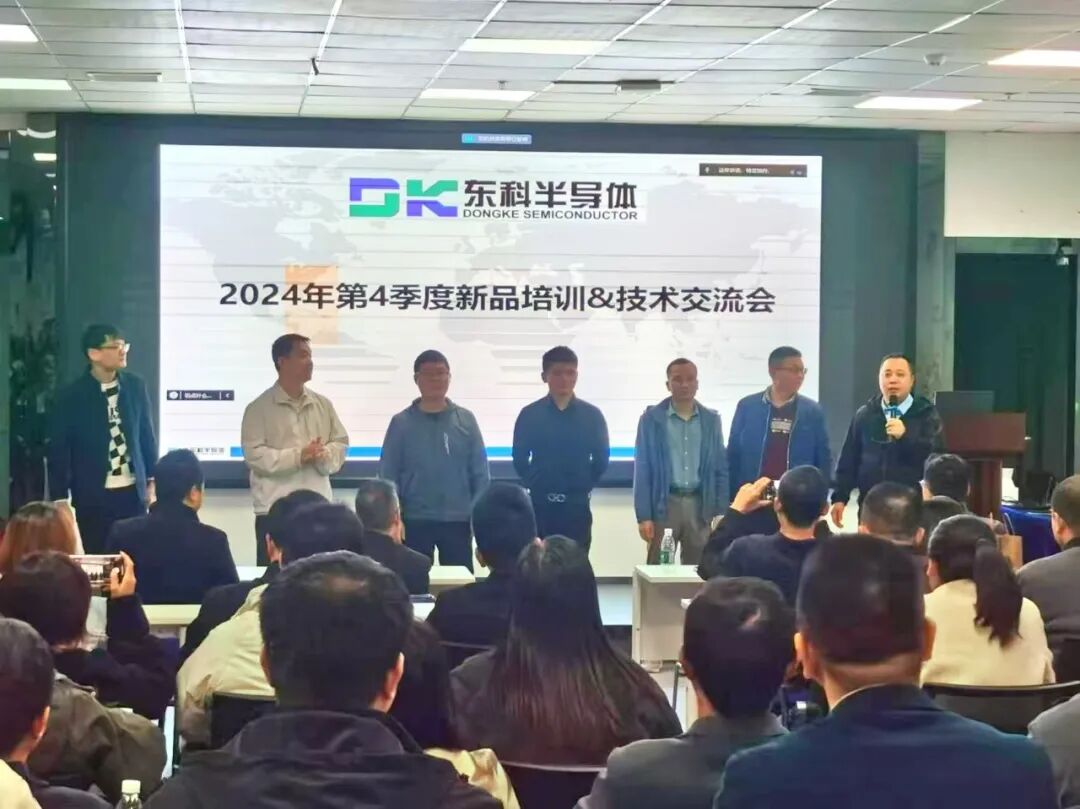
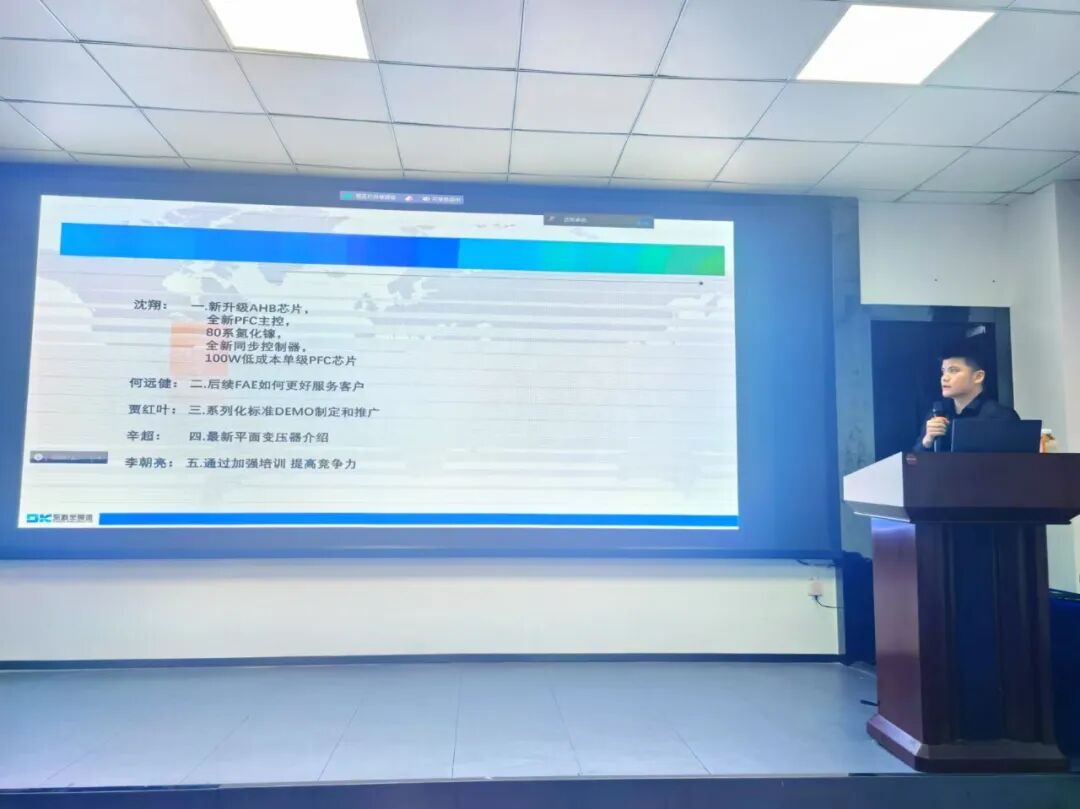
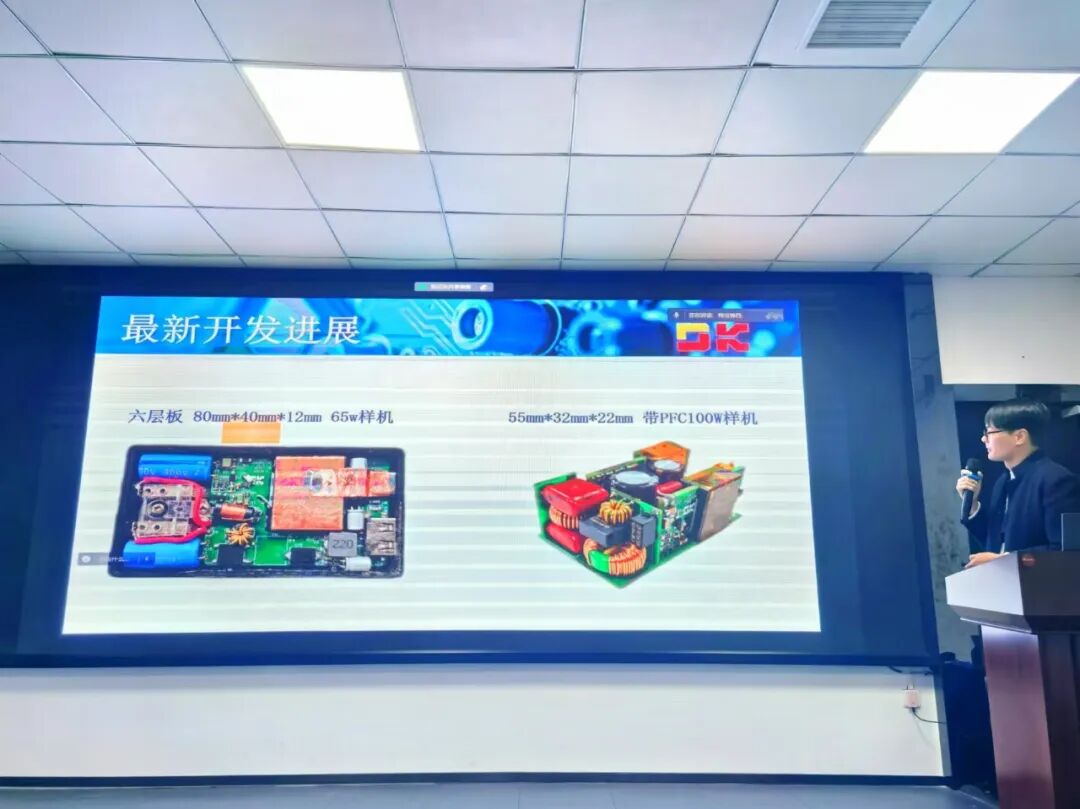
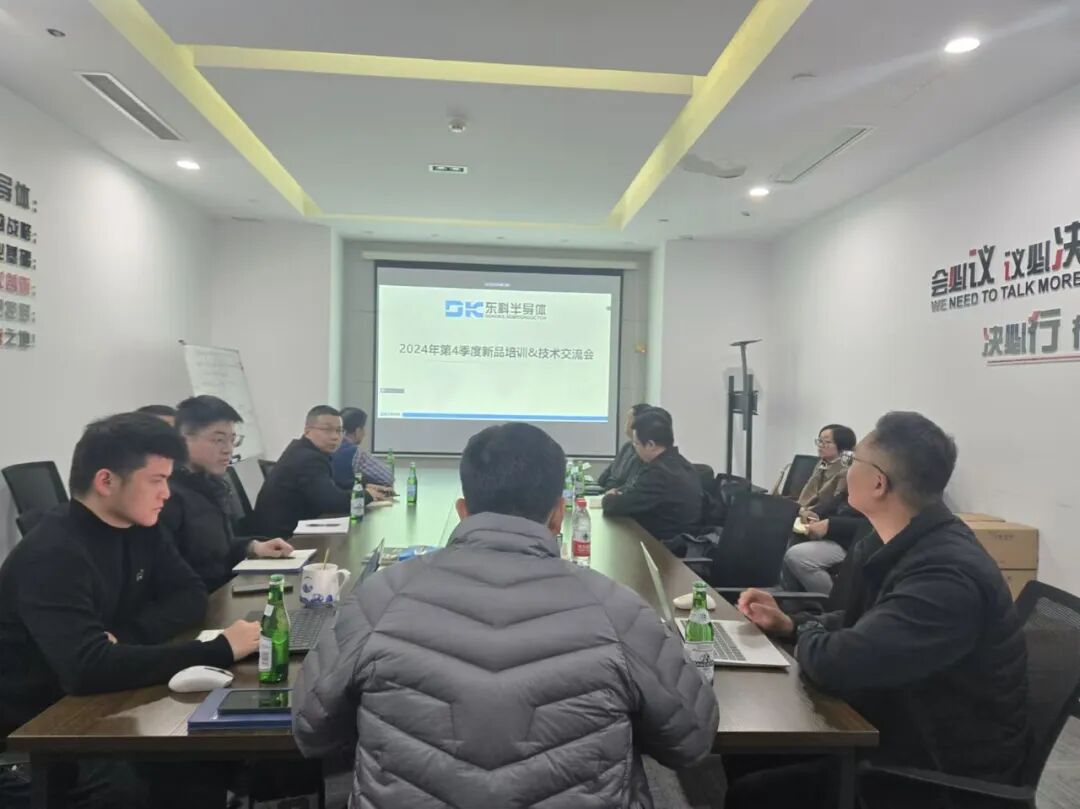
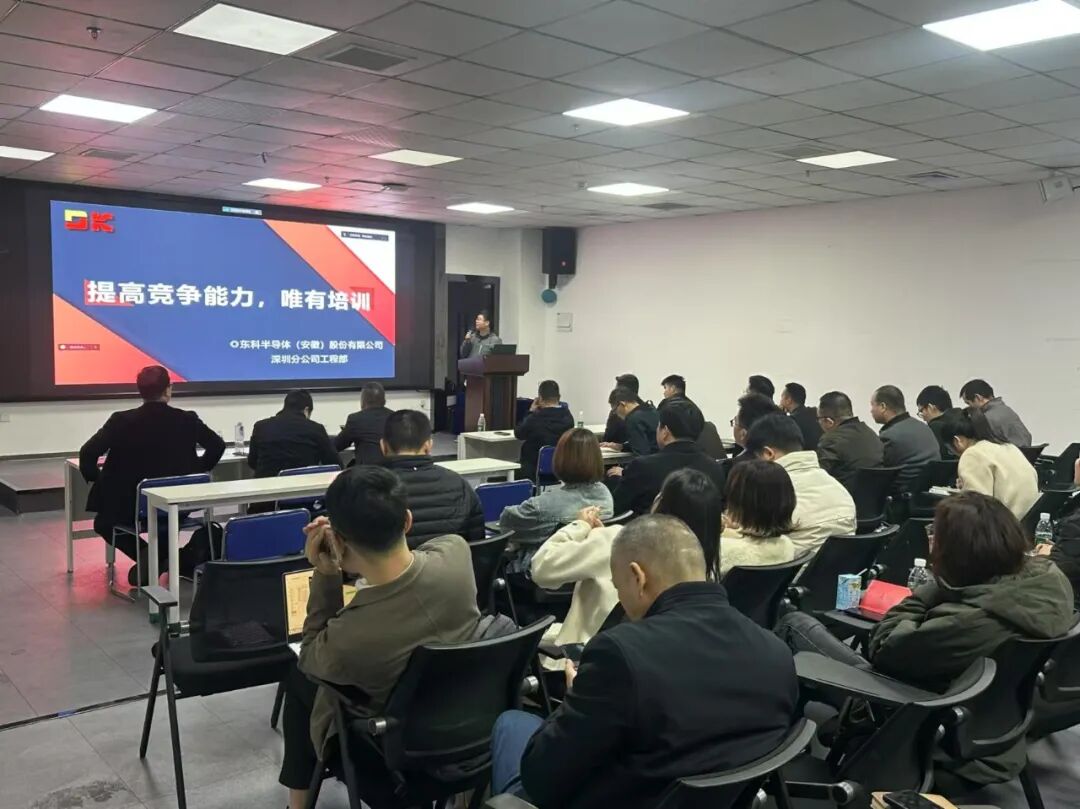
Dongke Q4 offline technical exchange meeting scene (left and right slide to see more)
??
Newly upgraded AHB chip
DK87XX Series B/P Version Controller
??
The DK87XX series of B/P version controllers have been iteratively optimized based on the DK87XXAD series of Dongke's initial generation of AHB fully-encapsulated chips to provide even better performance. For exampleBetter EMI performance under light load; lower SR spikes; increased resonant capacitor adaptive discharge function for safer output voltage switching; increased loop immunity and lower audible noise;Maximum 160ms, Peak LOAD instantaneous overpower function, suitable for power supplies with high overcurrent requirements, such as 1.5 times the overcurrent point.
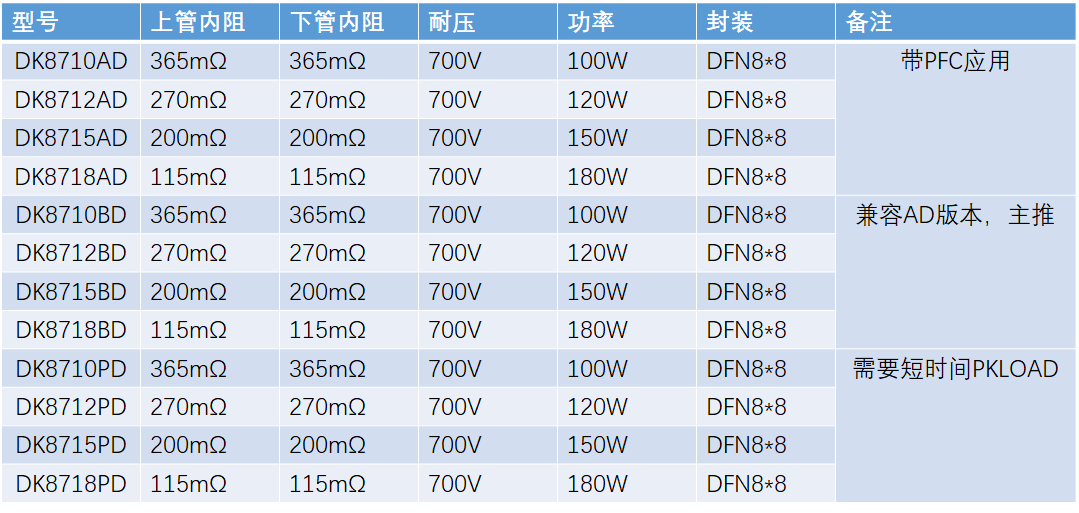
DK87xx Series Selection Table
?
??
New PFC master control
DK36XX Series
??
The DK36XX series is a newly introduced critical mode power factor correction (PFC) controller chip that operates in critical conduction mode for heavy loads and seamlessly switches to intermittent conduction mode when the load is reduced. The chip has built-in soft-start, input under-voltage protection, input power compensation, over-temperature protection, output under-voltage and over-voltage protection, and over-current protection. Working in DCM/CRM operating mode.With high PF value, low THD, low standby power consumption characteristics; suitable for use with back stage FLYBACK, AHB, LLC and other chips.
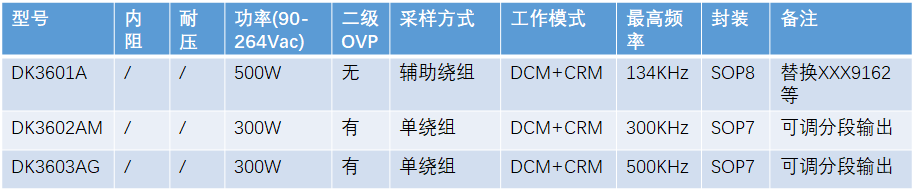
Selection table for DK36xx series products (DK3602/3 sample stage)
?
??
New PSR High PF Gallium Nitride
DK89XX Series
??
DK89XX is an isolated low THD, high PF primary side control quasi-resonant, constant voltage output GaN driver controller. It supports constant voltage output, built-in high voltage startup circuit to realize fast startup; THD compensation line to meet high PF and low THD and get high efficiency. Based on the high PF characteristics of DK89XX, it can be used with the rear DC-DC line, which can significantly reduce the BOM cost in the fast charging program.

DK89xx Series Product Selection Chart (Sample Stage)
??
New Synchronous Rectifier Controller
DK3704A Chip
??
The DK3704A is a new synchronous rectifier controller chip with external power tubes that can replace the Schottky diode to realize the rectification function, which greatly improves the efficiency of the system, and can be applied to QR flyback, active clamped flyback ACF, asymmetric half-bridge AHB, etc. The DK3704A has several features that can improve the efficiency: a fast comparator with a shorter transmission delay to reduce switching losses, a higher gate drive voltage to reduce MOSFET conduction losses, and a built-in standby mode to further reduce the standby power consumption. The DK3704A has several features to improve efficiency: a fast comparator with a short transfer delay reduces switching losses, a higher gate drive voltage reduces MOSFET conduction losses, and a built-in standby mode further reduces standby power consumption. Utilizing the output voltage to power the chip reduces power supply losses.
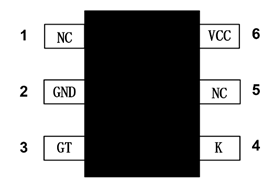
DK3704A
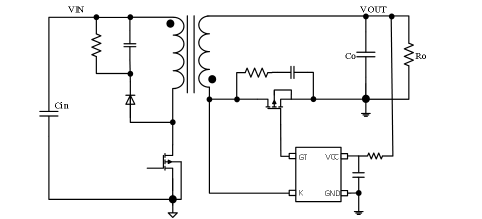
Typical Application Diagram
?
The DK3704A has a built-in adaptive slope anti-false turn-on algorithm, which further simplifies the design by eliminating the need for external parameterization, and distinguishes between normal turn-on cycles and resonance, ensuring that no false turn-on occurs when the system is operating in intermittent mode.
?
240W-PKLOAD prototype display
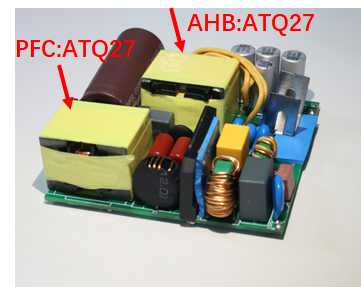
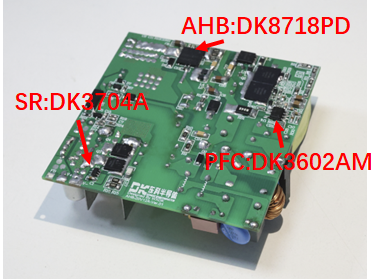
Key Devices:
PFC: DK3602AM,INN700D140C*2
AHB: DK8718PD
SR: DK3704A,NCEP035N85GU*2
?
100W-single stage PFC-2C1A prototype display
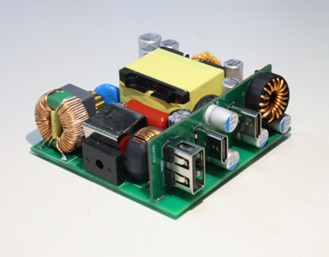
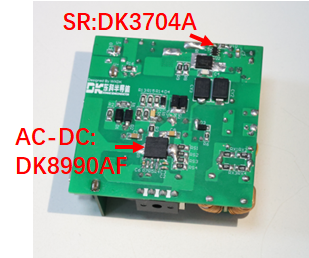
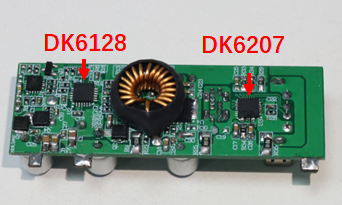
Key Devices:
ACDC: DK8990AF
SR: DK3704A,120V6.5mΩ
Protocols: DK6128, DK6207.
dcdc: ndp13701qb, ndp1415qf
Past Review

?
?

Photovoltaic (PV) technology, i.e., the technology that utilizes solar cells to convert light energy directly into electrical energy, is an important part of the modern renewable energy field. With the growing demand for energy and the increasing severity of environmental problems, the development of photovoltaic technology has received great attention worldwide. In this paper, we will discuss the development history and current status of PV technology and its future trends.
Milestones
The origin of photovoltaic technology can be traced back to the 19th century. 1839, the French scientist Edmond Becquerel first discovered the photovoltaic effect, i.e., light irradiated on certain materials will produce an electric current. 1954, the United States, Bell Labs successfully developed the first silicon solar cell, the conversion efficiency of which reached 6%, marking the birth of modern photovoltaic technology.
The oil crisis in the 1970s prompted countries to increase research investment in alternative energy sources, and photovoltaic technology began to enter a phase of rapid development. in the 1980s, the conversion efficiency of solar cells continued to improve, the manufacturing cost was gradually reduced, and photovoltaic power generation was gradually moved from the laboratory to commercialized applications. After entering the 21st century, with the progress of science and technology and policy support, photovoltaic technology has been further developed, and has become an important force in the transformation of global energy structure.
status quo
Currently, photovoltaic (PV) technology has been widely used worldwide. According to the International Energy Agency (IEA), by the end of 2023, the global installed capacity of photovoltaic (PV) power generation has exceeded 1,000 GW, and PV power generation accounts for more than 41 TP3T of the total global power generation. China, the United States, India and Europe are the major markets for PV power generation.
At the technical level, the conversion efficiency of photovoltaic cells continues to improve. Taking crystalline silicon cells as an example, the conversion efficiency of commercialized monocrystalline silicon cells has exceeded 22%, and the efficiency record in the laboratory has reached more than 26%. In addition, new photovoltaic technologies such as thin-film cells, multi-junction cells and organic solar cells are also developing, opening up more application scenarios.
The cost of photovoltaic systems has also decreased significantly. According to Bloomberg New Energy Finance (BNEF), since 2010, the price of PV modules has fallen by about 801 TP3T, and the overall cost of PV systems has fallen by about 701 TP3T.This trend has made PV power generation grid parity with conventional fossil energy sources in many regions already, and even more economical.
future trends
Looking ahead, the development of photovoltaic (PV) technology will be characterized by the following major trends:
1. Efficient: Improving the conversion efficiency of photovoltaic cells remains an important direction for future research. Through the application of new materials, new structures and new processes, it is expected to further break through the efficiency bottleneck and reduce power generation costs.
2. Diversification: In addition to traditional crystalline silicon cells, new photovoltaic technologies such as chalcogenide solar cells and quantum dot solar cells are also developing rapidly. These technologies not only have advantages in efficiency and cost, but also can be applied to special scenarios such as flexible, transparent and lightweight, expanding the scope of application of photovoltaic power generation.
3. Intelligent: Intelligent management of PV systems will improve overall power generation efficiency and reliability. Real-time monitoring, fault diagnosis and optimized scheduling of PV power plants can be achieved through IoT, big data and artificial intelligence technologies, improving operation and maintenance efficiency.
4. Integration: Photovoltaic technology will be deeply integrated with energy storage technology and microgrid technology to build a more flexible and reliable energy system. The development of energy storage technology will solve the intermittent problem of PV power generation and realize the efficient utilization of energy.
5. Sustainability: Focus on the environmental impact of photovoltaic technology throughout its life cycle as it develops. The sustainable development of PV technology is realized by improving the recyclability of materials and reducing energy consumption and pollution in the manufacturing process.
reach a verdict
Photovoltaic (PV) technology, as a clean, efficient and sustainable energy technology, has already played an important role in the global energy transition. With the continuous advancement of technology and the sustained reduction of costs, the prospects for the application of photovoltaic power generation will be even broader. In the future, through the development path of high efficiency, diversification, intelligence, integration and sustainability, PV technology will provide more reliable energy solutions for the sustainable development of human society.
]]>Photovoltaic (PV) technology, i.e., the technology that utilizes solar cells to convert light energy directly into electrical energy, is an important part of the modern renewable energy field. With the growing demand for energy and the increasing severity of environmental problems, the development of photovoltaic technology has received great attention worldwide. In this paper, we will discuss the development history and current status of PV technology and its future trends.
Milestones
The origin of photovoltaic technology can be traced back to the 19th century. 1839, the French scientist Edmond Becquerel first discovered the photovoltaic effect, i.e., light irradiated on certain materials will produce an electric current. 1954, the United States, Bell Labs successfully developed the first silicon solar cell, the conversion efficiency of which reached 6%, marking the birth of modern photovoltaic technology.
The oil crisis in the 1970s prompted countries to increase research investment in alternative energy sources, and photovoltaic technology began to enter a phase of rapid development. in the 1980s, the conversion efficiency of solar cells continued to improve, the manufacturing cost was gradually reduced, and photovoltaic power generation was gradually moved from the laboratory to commercialized applications. After entering the 21st century, with the progress of science and technology and policy support, photovoltaic technology has been further developed, and has become an important force in the transformation of global energy structure.
status quo
Currently, photovoltaic (PV) technology has been widely used worldwide. According to the International Energy Agency (IEA), by the end of 2023, the global installed capacity of photovoltaic (PV) power generation has exceeded 1,000 GW, and PV power generation accounts for more than 41 TP3T of the total global power generation. China, the United States, India and Europe are the major markets for PV power generation.
At the technical level, the conversion efficiency of photovoltaic cells continues to improve. Taking crystalline silicon cells as an example, the conversion efficiency of commercialized monocrystalline silicon cells has exceeded 22%, and the efficiency record in the laboratory has reached more than 26%. In addition, new photovoltaic technologies such as thin-film cells, multi-junction cells and organic solar cells are also developing, opening up more application scenarios.
The cost of photovoltaic systems has also decreased significantly. According to Bloomberg New Energy Finance (BNEF), since 2010, the price of PV modules has fallen by about 801 TP3T, and the overall cost of PV systems has fallen by about 701 TP3T.This trend has made PV power generation grid parity with conventional fossil energy sources in many regions already, and even more economical.
future trends
Looking ahead, the development of photovoltaic (PV) technology will be characterized by the following major trends:
1. Efficient: Improving the conversion efficiency of photovoltaic cells remains an important direction for future research. Through the application of new materials, new structures and new processes, it is expected to further break through the efficiency bottleneck and reduce power generation costs.
2. Diversification: In addition to traditional crystalline silicon cells, new photovoltaic technologies such as chalcogenide solar cells and quantum dot solar cells are also developing rapidly. These technologies not only have advantages in efficiency and cost, but also can be applied to special scenarios such as flexible, transparent and lightweight, expanding the scope of application of photovoltaic power generation.
3. Intelligent: Intelligent management of PV systems will improve overall power generation efficiency and reliability. Real-time monitoring, fault diagnosis and optimized scheduling of PV power plants can be achieved through IoT, big data and artificial intelligence technologies, improving operation and maintenance efficiency.
4. Integration: Photovoltaic technology will be deeply integrated with energy storage technology and microgrid technology to build a more flexible and reliable energy system. The development of energy storage technology will solve the intermittent problem of PV power generation and realize the efficient utilization of energy.
5. Sustainability: Focus on the environmental impact of photovoltaic technology throughout its life cycle as it develops. The sustainable development of PV technology is realized by improving the recyclability of materials and reducing energy consumption and pollution in the manufacturing process.
reach a verdict
Photovoltaic (PV) technology, as a clean, efficient and sustainable energy technology, has already played an important role in the global energy transition. With the continuous advancement of technology and the sustained reduction of costs, the prospects for the application of photovoltaic power generation will be even broader. In the future, through the development path of high efficiency, diversification, intelligence, integration and sustainability, PV technology will provide more reliable energy solutions for the sustainable development of human society.
]]>Photovoltaic (PV) technology, i.e., the technology that utilizes solar cells to convert light energy directly into electrical energy, is an important part of the modern renewable energy field. With the growing demand for energy and the increasing severity of environmental problems, the development of photovoltaic technology has received great attention worldwide. In this paper, we will discuss the development history and current status of PV technology and its future trends.
Milestones
The origin of photovoltaic technology can be traced back to the 19th century. 1839, the French scientist Edmond Becquerel first discovered the photovoltaic effect, i.e., light irradiated on certain materials will produce an electric current. 1954, the United States, Bell Labs successfully developed the first silicon solar cell, the conversion efficiency of which reached 6%, marking the birth of modern photovoltaic technology.
The oil crisis in the 1970s prompted countries to increase research investment in alternative energy sources, and photovoltaic technology began to enter a phase of rapid development. in the 1980s, the conversion efficiency of solar cells continued to improve, the manufacturing cost was gradually reduced, and photovoltaic power generation was gradually moved from the laboratory to commercialized applications. After entering the 21st century, with the progress of science and technology and policy support, photovoltaic technology has been further developed, and has become an important force in the transformation of global energy structure.
status quo
Currently, photovoltaic (PV) technology has been widely used worldwide. According to the International Energy Agency (IEA), by the end of 2023, the global installed capacity of photovoltaic (PV) power generation has exceeded 1,000 GW, and PV power generation accounts for more than 41 TP3T of the total global power generation. China, the United States, India and Europe are the major markets for PV power generation.
At the technical level, the conversion efficiency of photovoltaic cells continues to improve. Taking crystalline silicon cells as an example, the conversion efficiency of commercialized monocrystalline silicon cells has exceeded 22%, and the efficiency record in the laboratory has reached more than 26%. In addition, new photovoltaic technologies such as thin-film cells, multi-junction cells and organic solar cells are also developing, opening up more application scenarios.
The cost of photovoltaic systems has also decreased significantly. According to Bloomberg New Energy Finance (BNEF), since 2010, the price of PV modules has fallen by about 801 TP3T, and the overall cost of PV systems has fallen by about 701 TP3T.This trend has made PV power generation grid parity with conventional fossil energy sources in many regions already, and even more economical.
future trends
Looking ahead, the development of photovoltaic (PV) technology will be characterized by the following major trends:
1. Efficient: Improving the conversion efficiency of photovoltaic cells remains an important direction for future research. Through the application of new materials, new structures and new processes, it is expected to further break through the efficiency bottleneck and reduce power generation costs.
2. Diversification: In addition to traditional crystalline silicon cells, new photovoltaic technologies such as chalcogenide solar cells and quantum dot solar cells are also developing rapidly. These technologies not only have advantages in efficiency and cost, but also can be applied to special scenarios such as flexible, transparent and lightweight, expanding the scope of application of photovoltaic power generation.
3. Intelligent: Intelligent management of PV systems will improve overall power generation efficiency and reliability. Real-time monitoring, fault diagnosis and optimized scheduling of PV power plants can be achieved through IoT, big data and artificial intelligence technologies, improving operation and maintenance efficiency.
4. Integration: Photovoltaic technology will be deeply integrated with energy storage technology and microgrid technology to build a more flexible and reliable energy system. The development of energy storage technology will solve the intermittent problem of PV power generation and realize the efficient utilization of energy.
5. Sustainability: Focus on the environmental impact of photovoltaic technology throughout its life cycle as it develops. The sustainable development of PV technology is realized by improving the recyclability of materials and reducing energy consumption and pollution in the manufacturing process.
reach a verdict
Photovoltaic (PV) technology, as a clean, efficient and sustainable energy technology, has already played an important role in the global energy transition. With the continuous advancement of technology and the sustained reduction of costs, the prospects for the application of photovoltaic power generation will be even broader. In the future, through the development path of high efficiency, diversification, intelligence, integration and sustainability, PV technology will provide more reliable energy solutions for the sustainable development of human society.
]]>Photovoltaic (PV) technology, i.e., the technology that utilizes solar cells to convert light energy directly into electrical energy, is an important part of the modern renewable energy field. With the growing demand for energy and the increasing severity of environmental problems, the development of photovoltaic technology has received great attention worldwide. In this paper, we will discuss the development history and current status of PV technology and its future trends.
Milestones
The origin of photovoltaic technology can be traced back to the 19th century. 1839, the French scientist Edmond Becquerel first discovered the photovoltaic effect, i.e., light irradiated on certain materials will produce an electric current. 1954, the United States, Bell Labs successfully developed the first silicon solar cell, the conversion efficiency of which reached 6%, marking the birth of modern photovoltaic technology.
The oil crisis in the 1970s prompted countries to increase research investment in alternative energy sources, and photovoltaic technology began to enter a phase of rapid development. in the 1980s, the conversion efficiency of solar cells continued to improve, the manufacturing cost was gradually reduced, and photovoltaic power generation was gradually moved from the laboratory to commercialized applications. After entering the 21st century, with the progress of science and technology and policy support, photovoltaic technology has been further developed, and has become an important force in the transformation of global energy structure.
status quo
Currently, photovoltaic (PV) technology has been widely used worldwide. According to the International Energy Agency (IEA), by the end of 2023, the global installed capacity of photovoltaic (PV) power generation has exceeded 1,000 GW, and PV power generation accounts for more than 41 TP3T of the total global power generation. China, the United States, India and Europe are the major markets for PV power generation.
At the technical level, the conversion efficiency of photovoltaic cells continues to improve. Taking crystalline silicon cells as an example, the conversion efficiency of commercialized monocrystalline silicon cells has exceeded 22%, and the efficiency record in the laboratory has reached more than 26%. In addition, new photovoltaic technologies such as thin-film cells, multi-junction cells and organic solar cells are also developing, opening up more application scenarios.
The cost of photovoltaic systems has also decreased significantly. According to Bloomberg New Energy Finance (BNEF), since 2010, the price of PV modules has fallen by about 801 TP3T, and the overall cost of PV systems has fallen by about 701 TP3T.This trend has made PV power generation grid parity with conventional fossil energy sources in many regions already, and even more economical.
future trends
Looking ahead, the development of photovoltaic (PV) technology will be characterized by the following major trends:
1. Efficient: Improving the conversion efficiency of photovoltaic cells remains an important direction for future research. Through the application of new materials, new structures and new processes, it is expected to further break through the efficiency bottleneck and reduce power generation costs.
2. Diversification: In addition to traditional crystalline silicon cells, new photovoltaic technologies such as chalcogenide solar cells and quantum dot solar cells are also developing rapidly. These technologies not only have advantages in efficiency and cost, but also can be applied to special scenarios such as flexible, transparent and lightweight, expanding the scope of application of photovoltaic power generation.
3. Intelligent: Intelligent management of PV systems will improve overall power generation efficiency and reliability. Real-time monitoring, fault diagnosis and optimized scheduling of PV power plants can be achieved through IoT, big data and artificial intelligence technologies, improving operation and maintenance efficiency.
4. Integration: Photovoltaic technology will be deeply integrated with energy storage technology and microgrid technology to build a more flexible and reliable energy system. The development of energy storage technology will solve the intermittent problem of PV power generation and realize the efficient utilization of energy.
5. Sustainability: Focus on the environmental impact of photovoltaic technology throughout its life cycle as it develops. The sustainable development of PV technology is realized by improving the recyclability of materials and reducing energy consumption and pollution in the manufacturing process.
reach a verdict
Photovoltaic (PV) technology, as a clean, efficient and sustainable energy technology, has already played an important role in the global energy transition. With the continuous advancement of technology and the sustained reduction of costs, the prospects for the application of photovoltaic power generation will be even broader. In the future, through the development path of high efficiency, diversification, intelligence, integration and sustainability, PV technology will provide more reliable energy solutions for the sustainable development of human society.
]]>Photovoltaic (PV) technology, i.e., the technology that utilizes solar cells to convert light energy directly into electrical energy, is an important part of the modern renewable energy field. With the growing demand for energy and the increasing severity of environmental problems, the development of photovoltaic technology has received great attention worldwide. In this paper, we will discuss the development history and current status of PV technology and its future trends.
Milestones
The origin of photovoltaic technology can be traced back to the 19th century. 1839, the French scientist Edmond Becquerel first discovered the photovoltaic effect, i.e., light irradiated on certain materials will produce an electric current. 1954, the United States, Bell Labs successfully developed the first silicon solar cell, the conversion efficiency of which reached 6%, marking the birth of modern photovoltaic technology.
The oil crisis in the 1970s prompted countries to increase research investment in alternative energy sources, and photovoltaic technology began to enter a phase of rapid development. in the 1980s, the conversion efficiency of solar cells continued to improve, the manufacturing cost was gradually reduced, and photovoltaic power generation was gradually moved from the laboratory to commercialized applications. After entering the 21st century, with the progress of science and technology and policy support, photovoltaic technology has been further developed, and has become an important force in the transformation of global energy structure.
status quo
Currently, photovoltaic (PV) technology has been widely used worldwide. According to the International Energy Agency (IEA), by the end of 2023, the global installed capacity of photovoltaic (PV) power generation has exceeded 1,000 GW, and PV power generation accounts for more than 41 TP3T of the total global power generation. China, the United States, India and Europe are the major markets for PV power generation.
At the technical level, the conversion efficiency of photovoltaic cells continues to improve. Taking crystalline silicon cells as an example, the conversion efficiency of commercialized monocrystalline silicon cells has exceeded 22%, and the efficiency record in the laboratory has reached more than 26%. In addition, new photovoltaic technologies such as thin-film cells, multi-junction cells and organic solar cells are also developing, opening up more application scenarios.
The cost of photovoltaic systems has also decreased significantly. According to Bloomberg New Energy Finance (BNEF), since 2010, the price of PV modules has fallen by about 801 TP3T, and the overall cost of PV systems has fallen by about 701 TP3T.This trend has made PV power generation grid parity with conventional fossil energy sources in many regions already, and even more economical.
future trends
Looking ahead, the development of photovoltaic (PV) technology will be characterized by the following major trends:
1. Efficient: Improving the conversion efficiency of photovoltaic cells remains an important direction for future research. Through the application of new materials, new structures and new processes, it is expected to further break through the efficiency bottleneck and reduce power generation costs.
2. Diversification: In addition to traditional crystalline silicon cells, new photovoltaic technologies such as chalcogenide solar cells and quantum dot solar cells are also developing rapidly. These technologies not only have advantages in efficiency and cost, but also can be applied to special scenarios such as flexible, transparent and lightweight, expanding the scope of application of photovoltaic power generation.
3. Intelligent: Intelligent management of PV systems will improve overall power generation efficiency and reliability. Real-time monitoring, fault diagnosis and optimized scheduling of PV power plants can be achieved through IoT, big data and artificial intelligence technologies, improving operation and maintenance efficiency.
4. Integration: Photovoltaic technology will be deeply integrated with energy storage technology and microgrid technology to build a more flexible and reliable energy system. The development of energy storage technology will solve the intermittent problem of PV power generation and realize the efficient utilization of energy.
5. Sustainability: Focus on the environmental impact of photovoltaic technology throughout its life cycle as it develops. The sustainable development of PV technology is realized by improving the recyclability of materials and reducing energy consumption and pollution in the manufacturing process.
reach a verdict
Photovoltaic (PV) technology, as a clean, efficient and sustainable energy technology, has already played an important role in the global energy transition. With the continuous advancement of technology and the sustained reduction of costs, the prospects for the application of photovoltaic power generation will be even broader. In the future, through the development path of high efficiency, diversification, intelligence, integration and sustainability, PV technology will provide more reliable energy solutions for the sustainable development of human society.
]]>